MARY JIYAE KIM
- Designer based in NYC
- Currently at Landor
-
Previously at
Chermayeff &
Geismer & Haviv
(EST)
INQUIRIES
- E: maryjiyaekim@gmail.com
- I: @maryjiyaekim
AWARDS
- Young Ones ADC *2 Merit 2025
- Graphis New Talent Award *3 2025
- Indigo Design Award *2 Gold 2025
- The Design Kids—TDK Award 2024
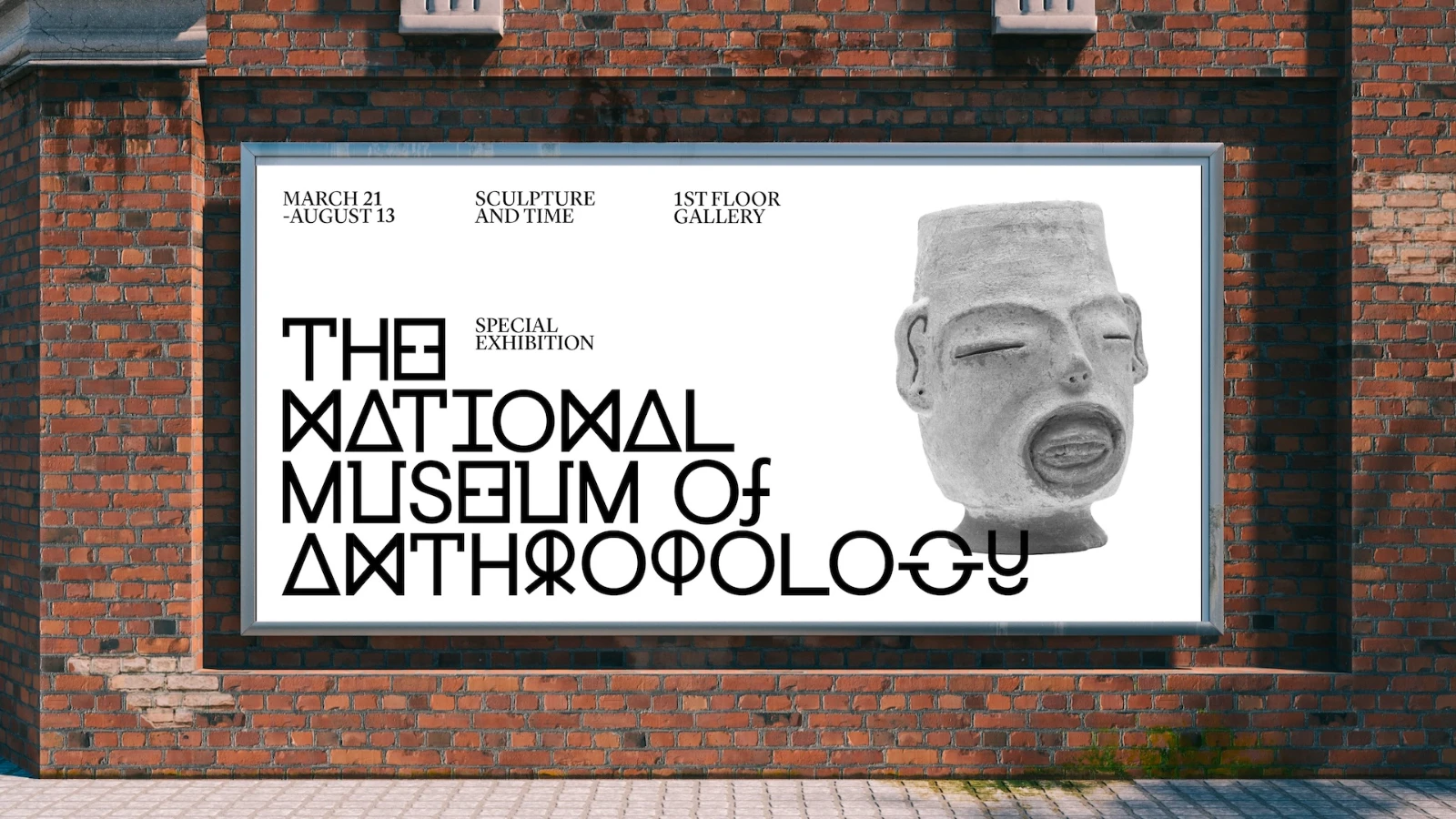
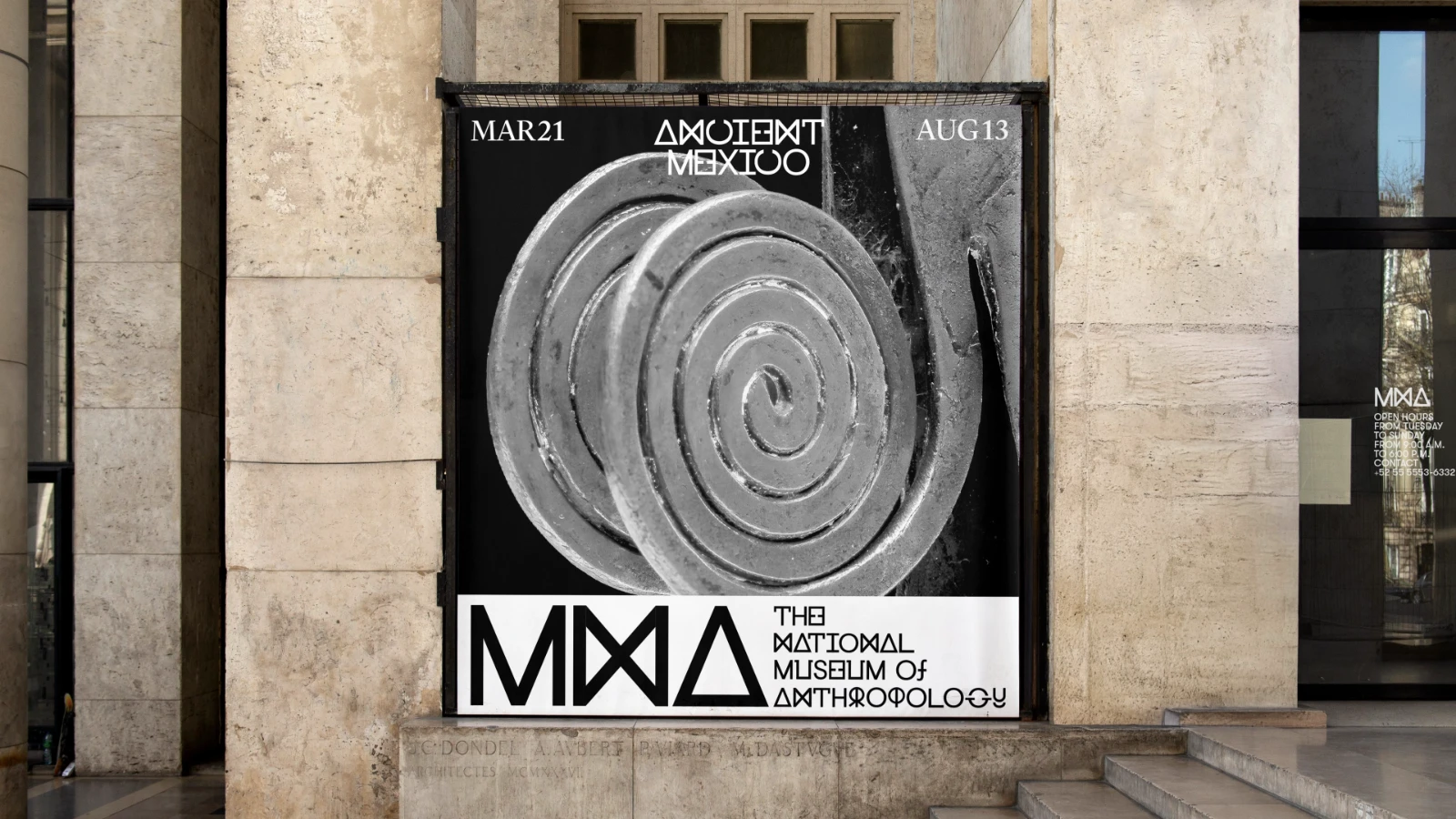
The National Museum of Anthropology
-
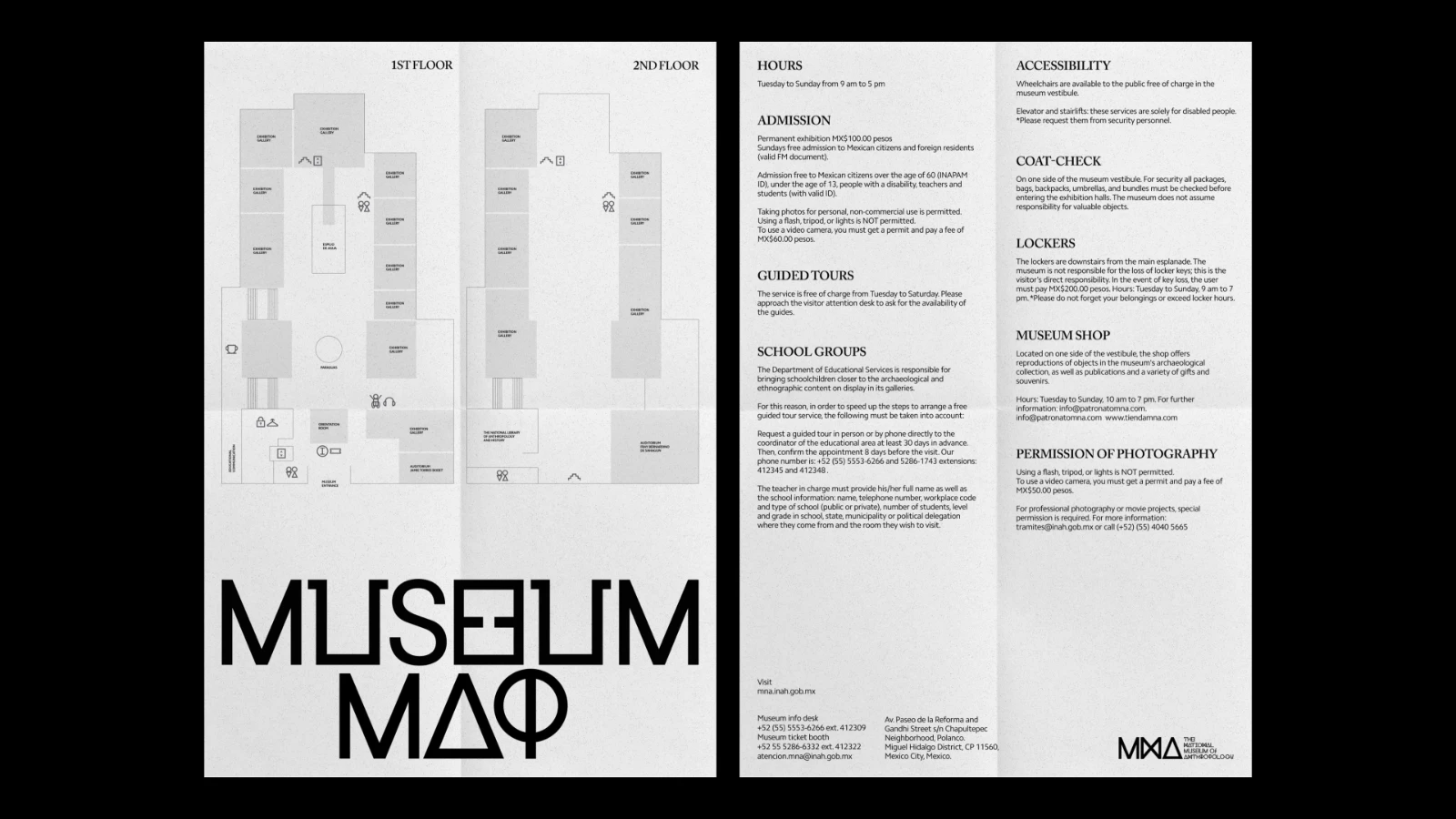
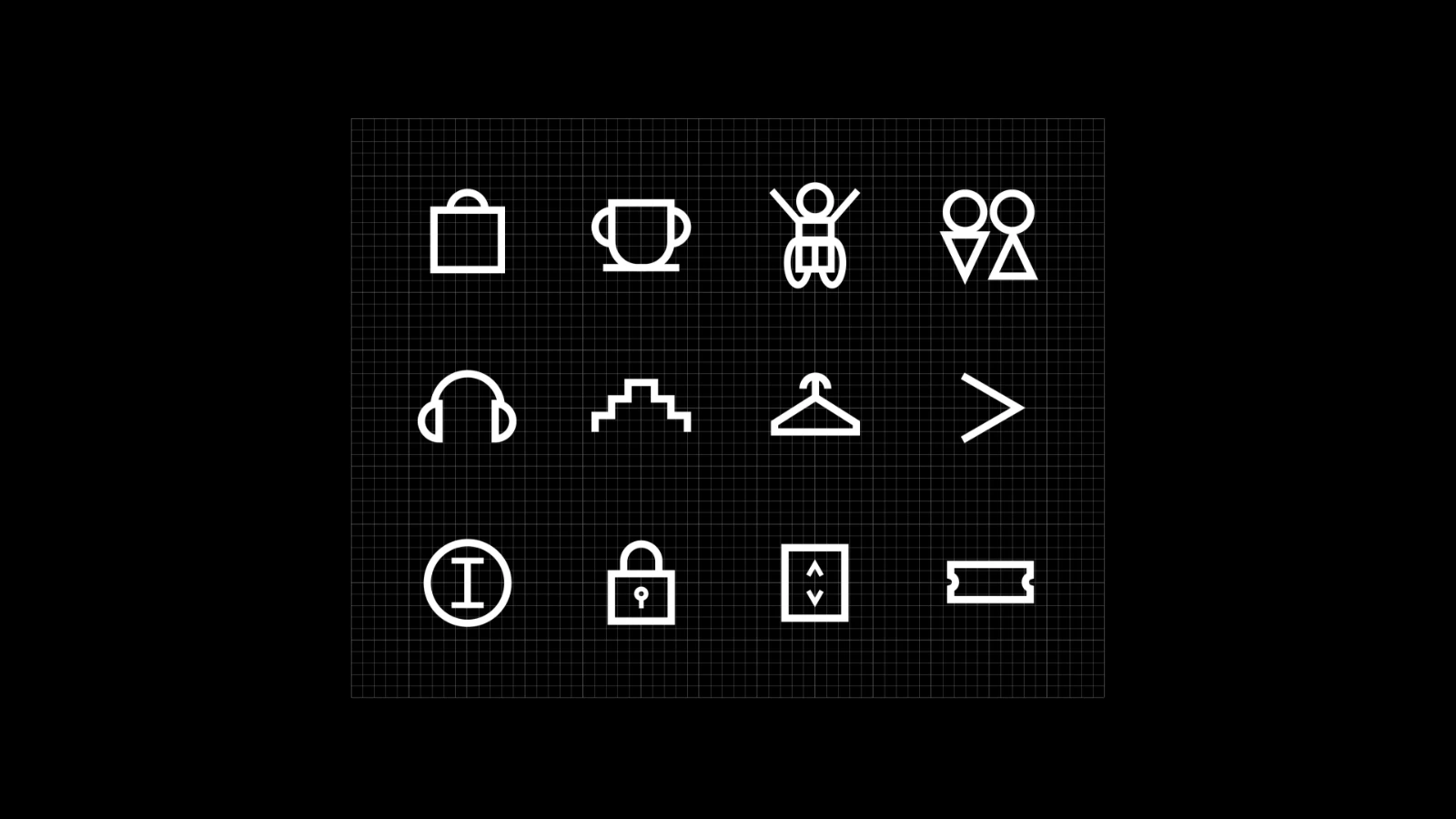
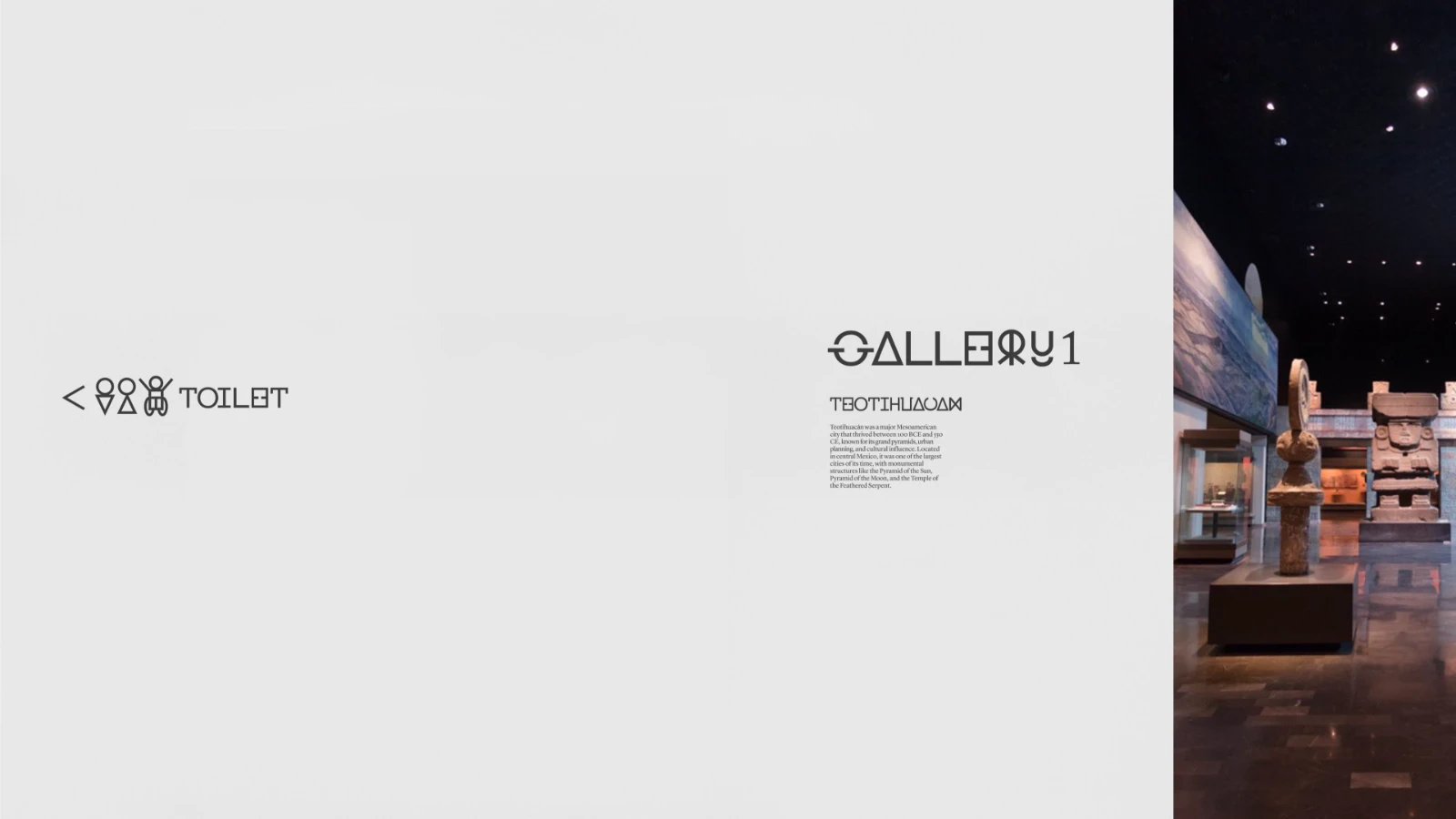
Identity System, Art Direction, Concept,Iconography, Typography
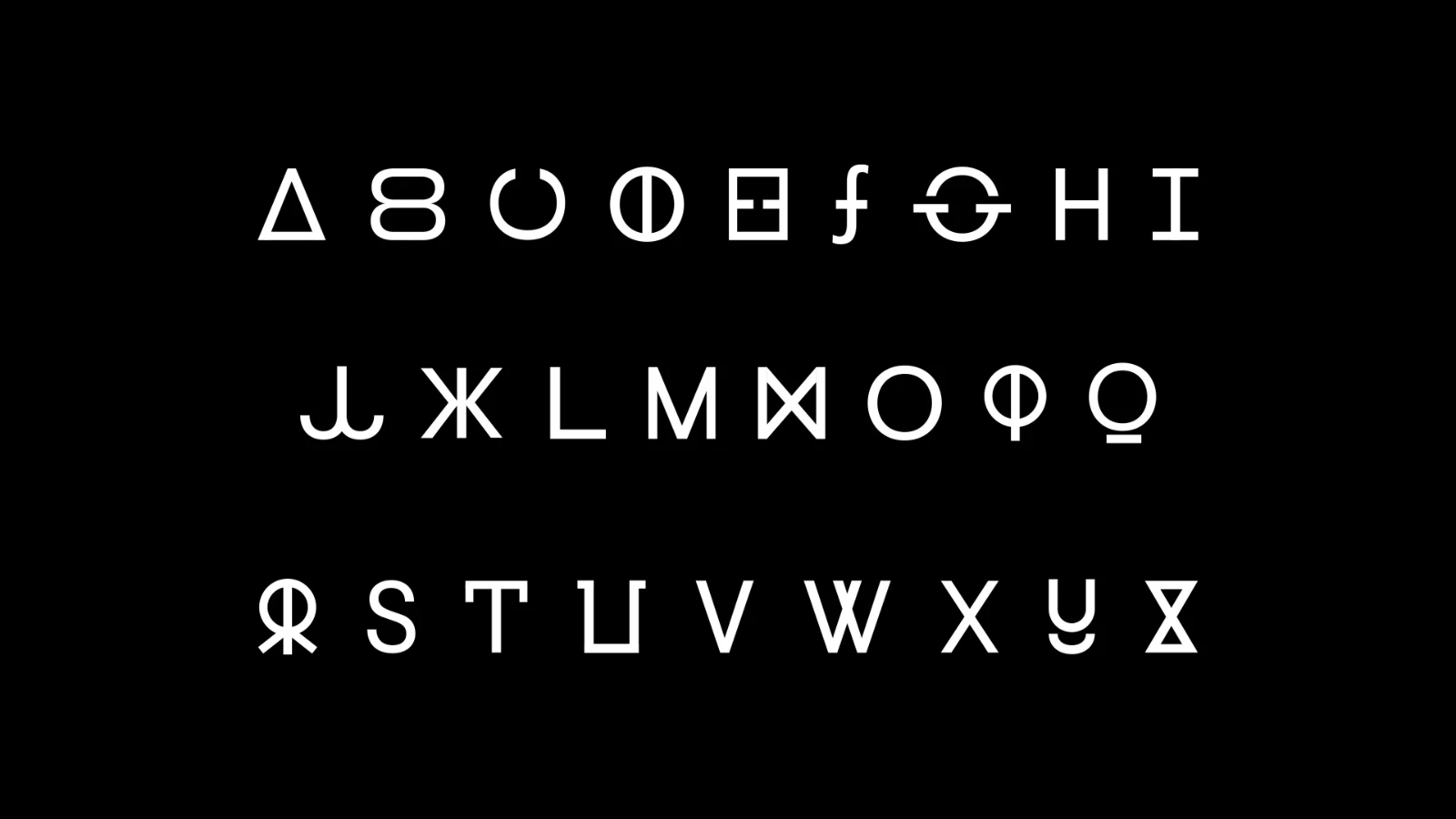
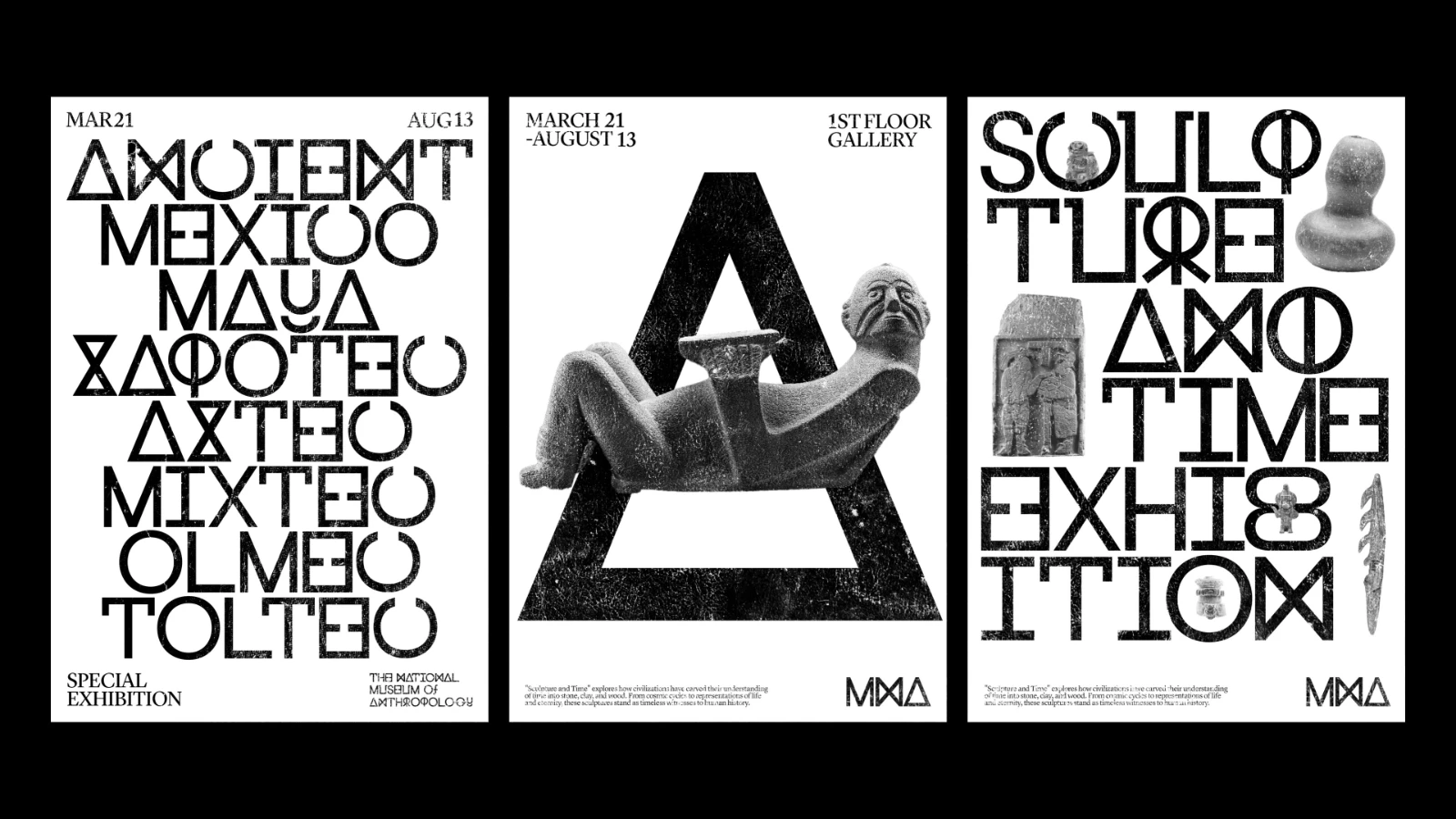
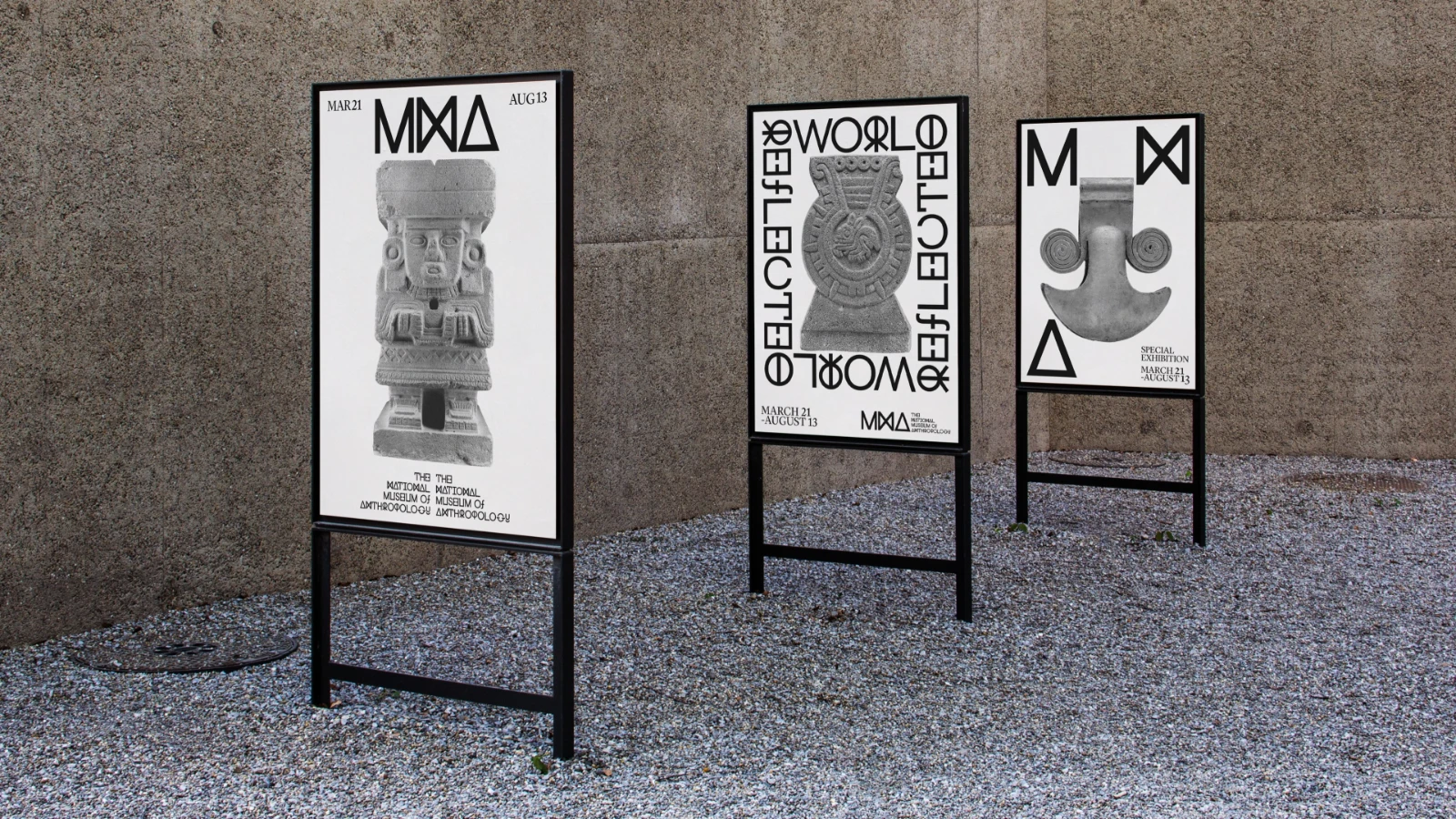
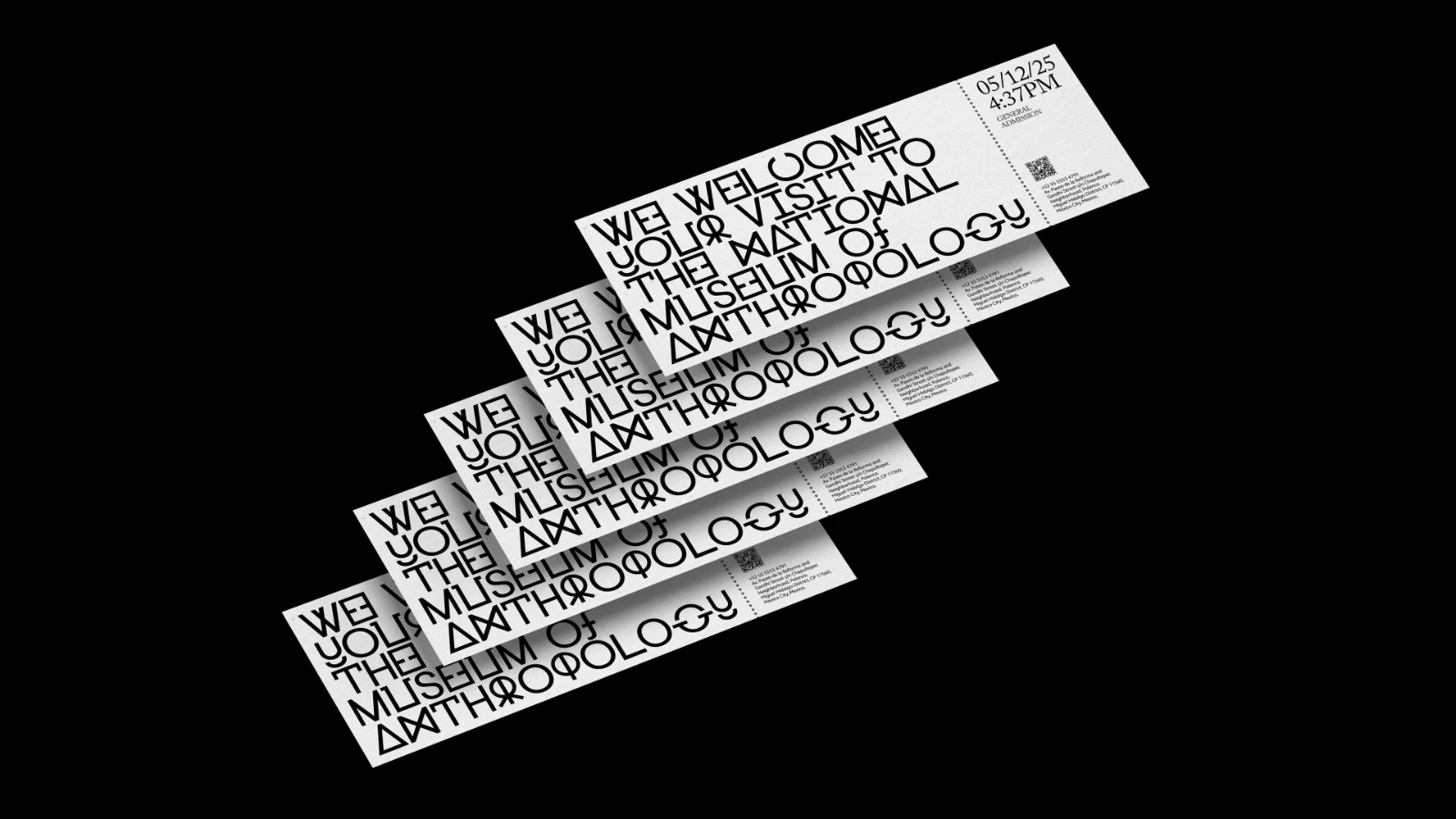
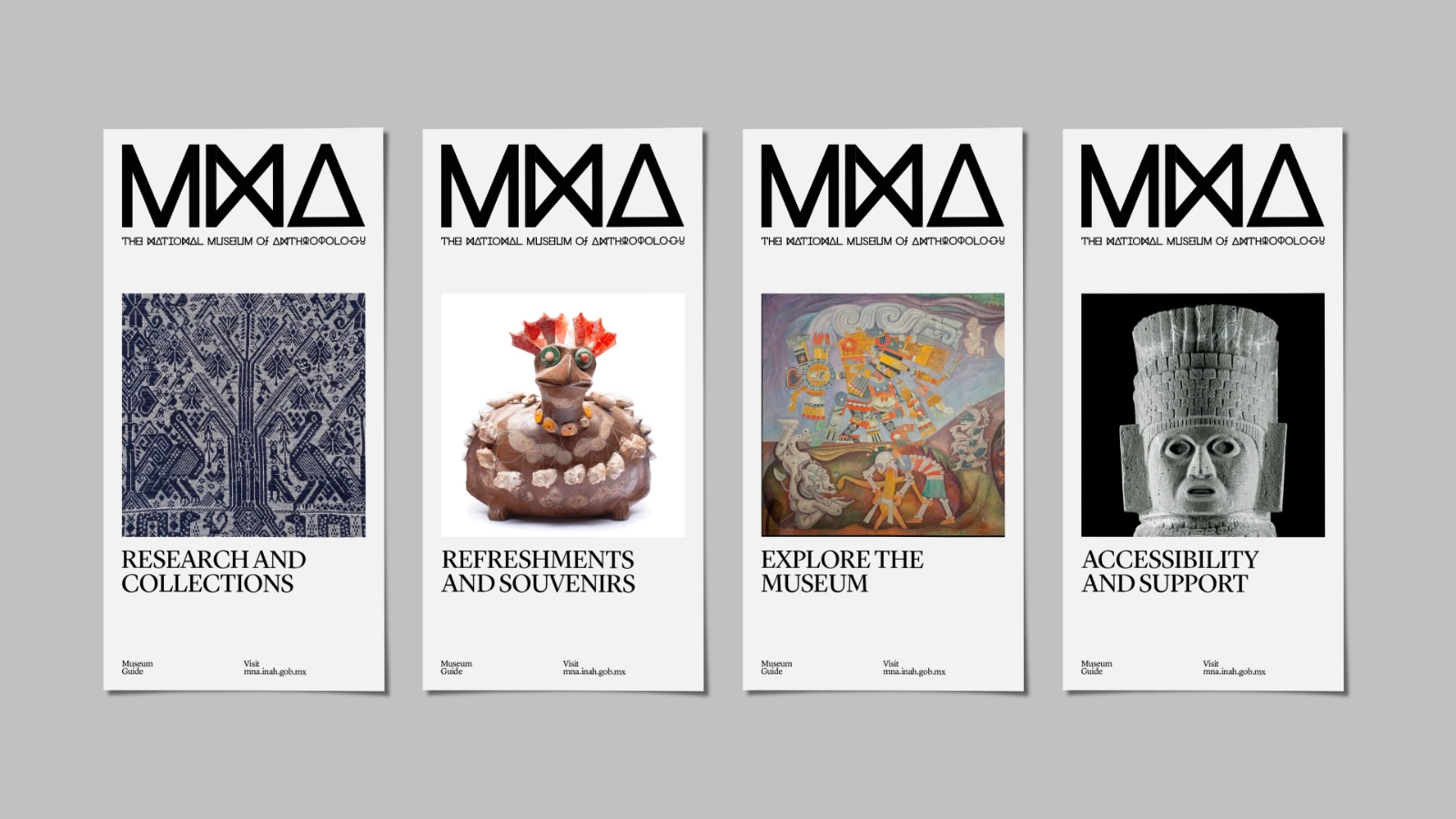
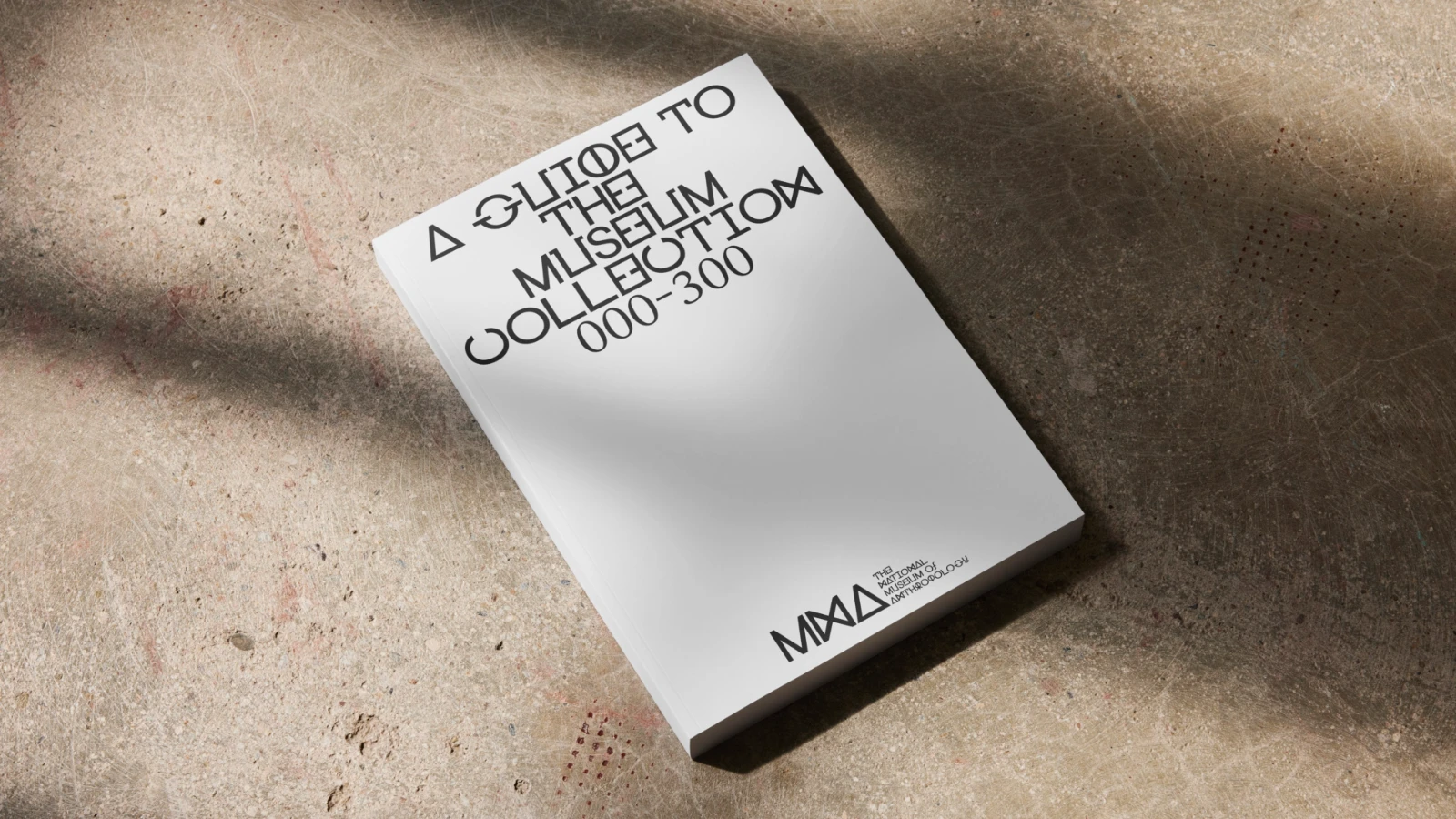
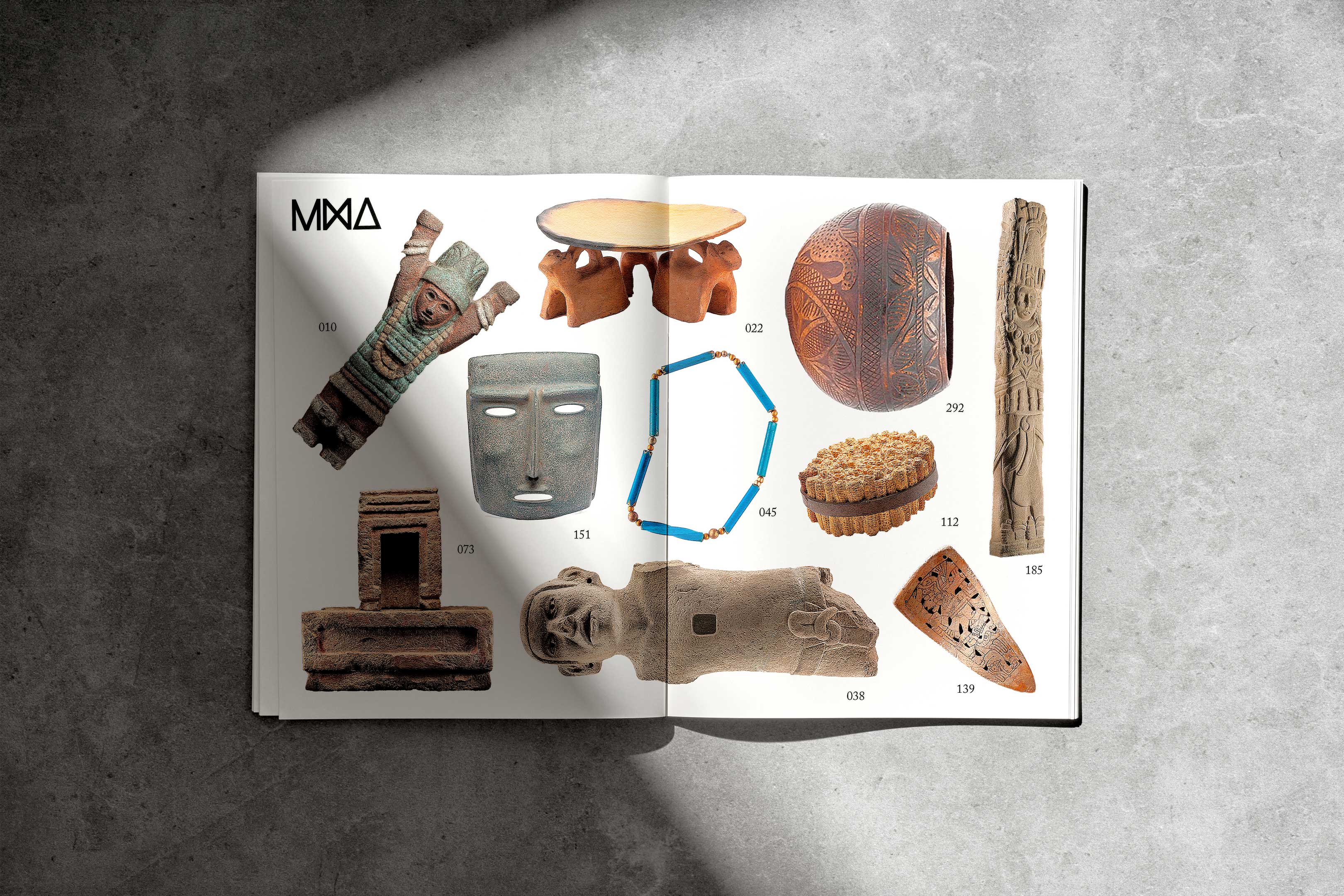
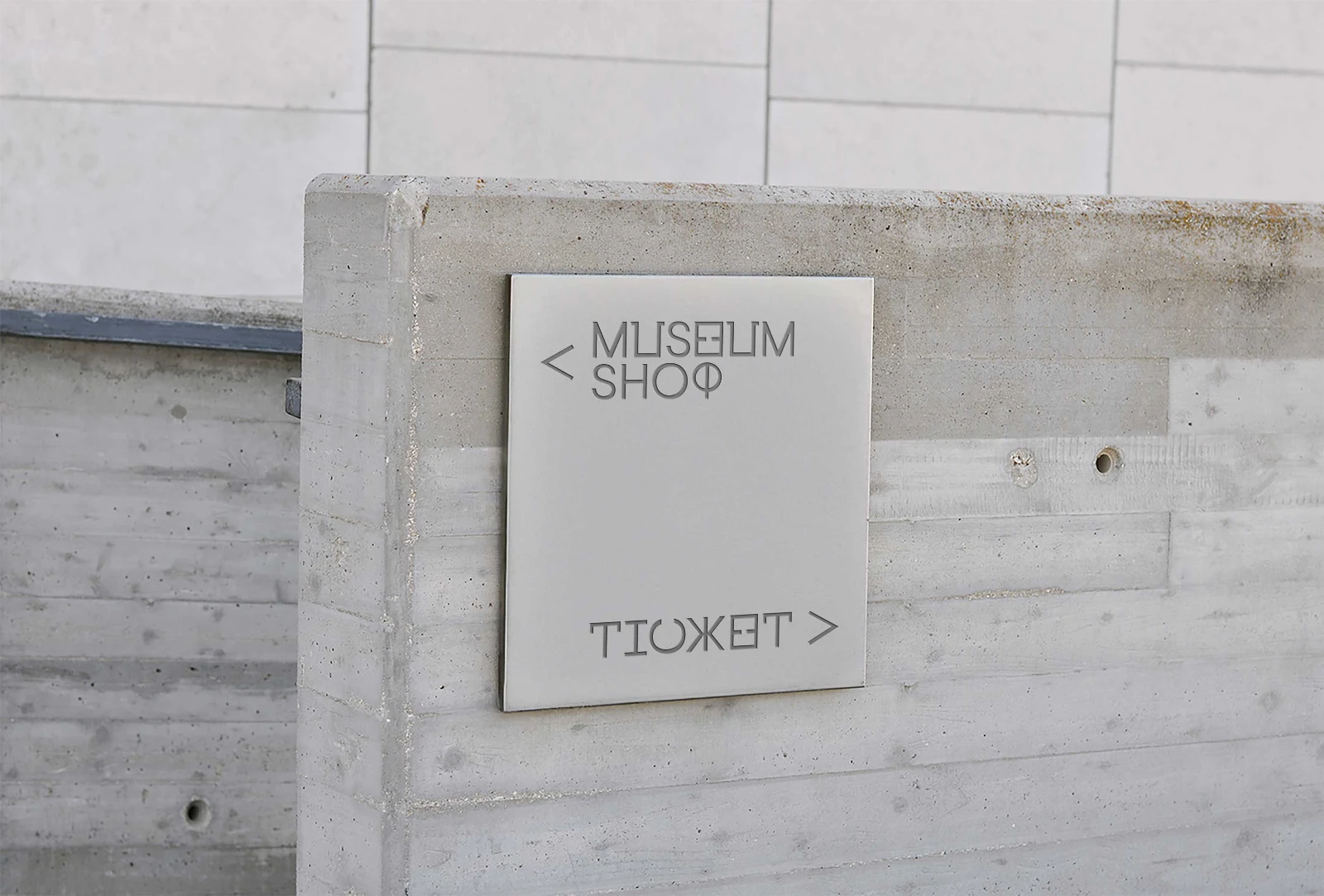
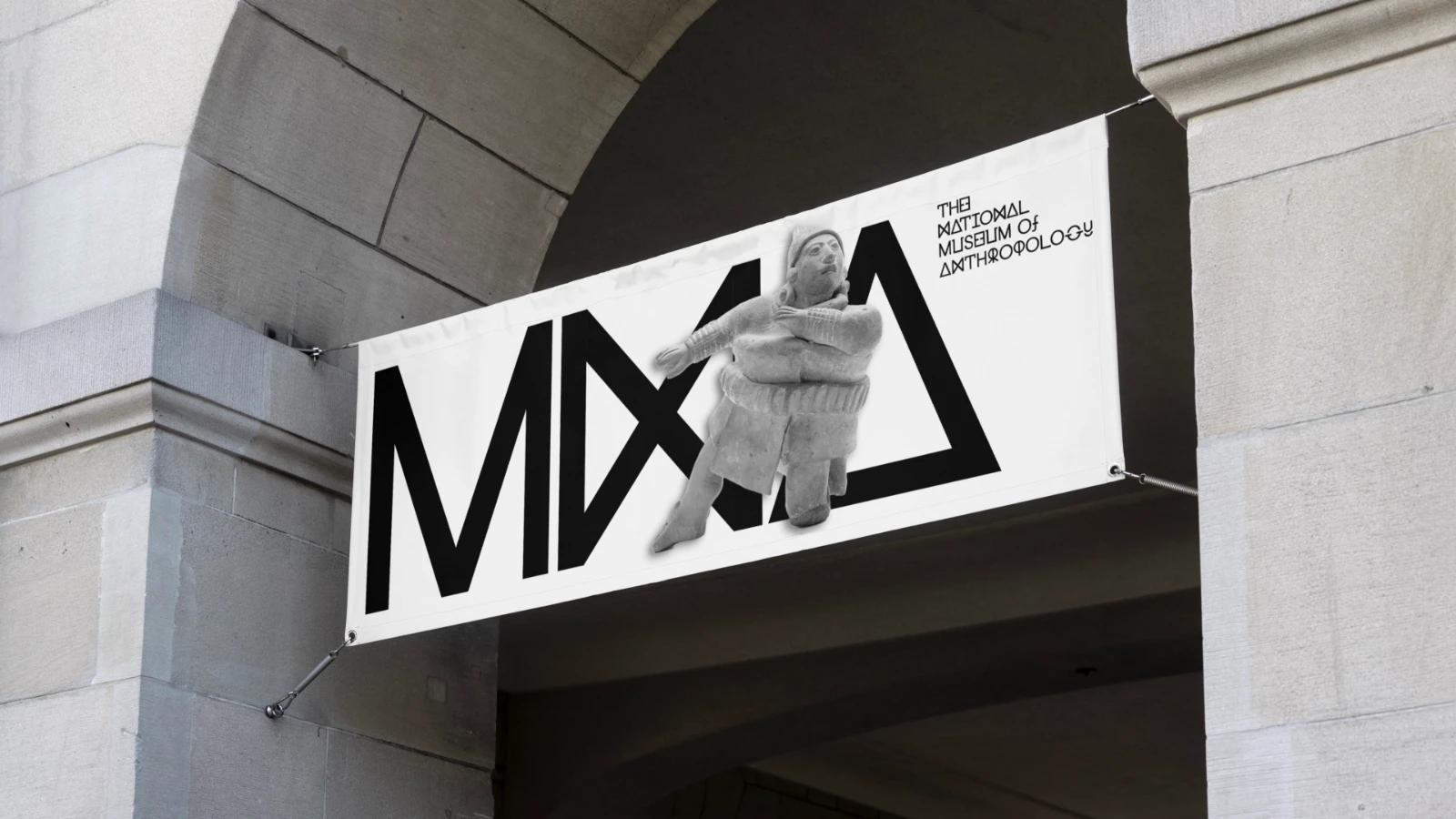
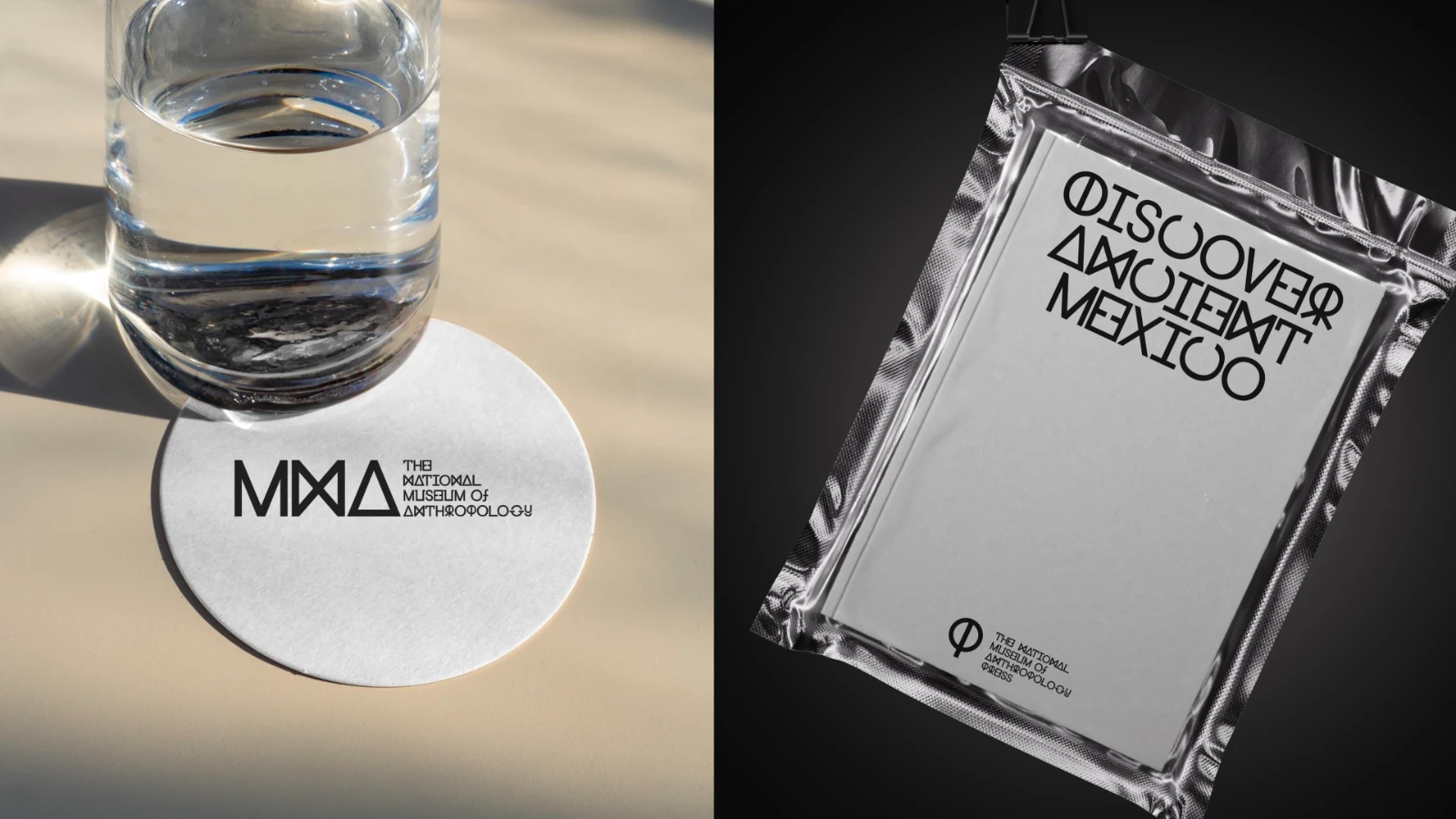
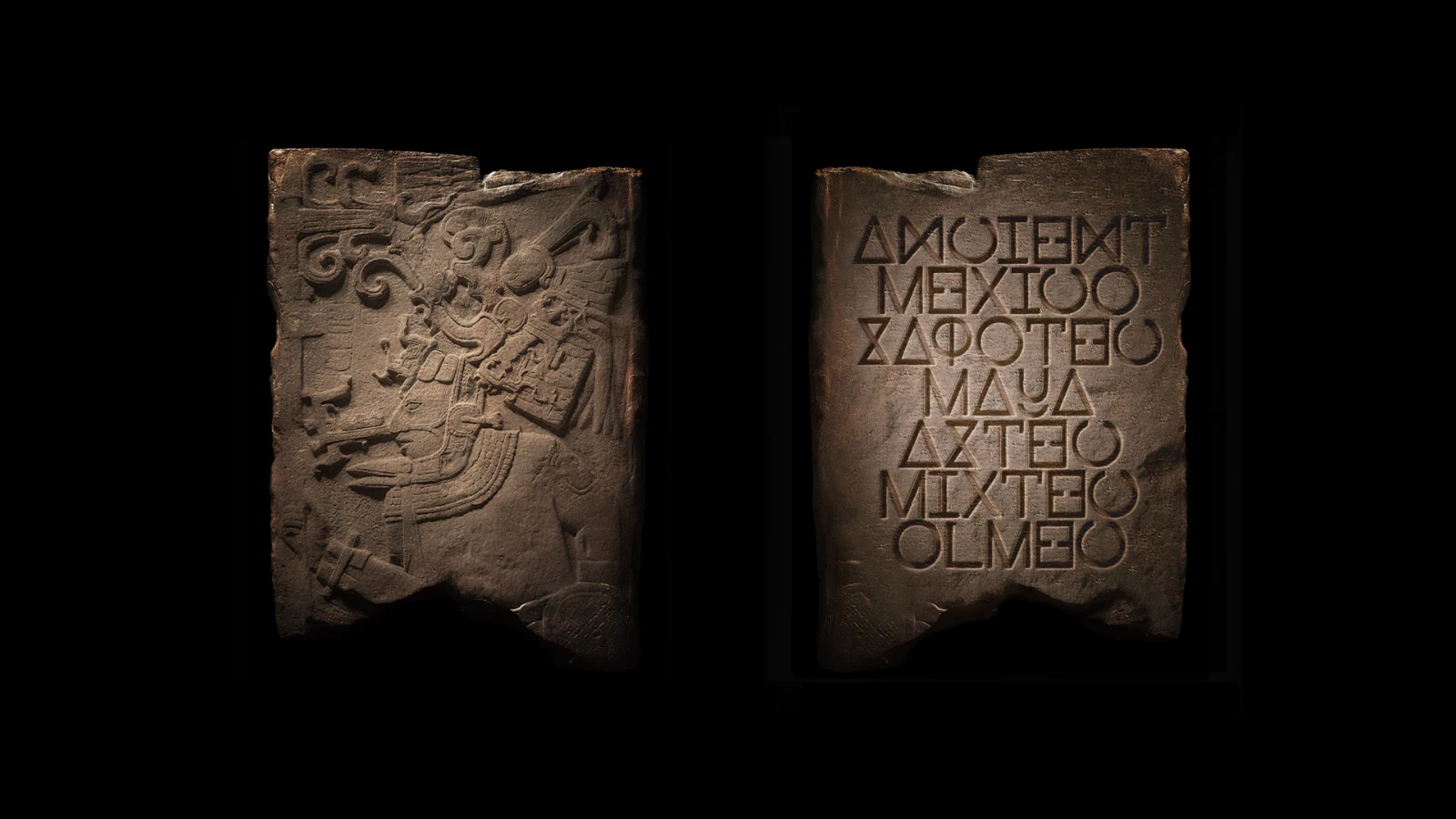
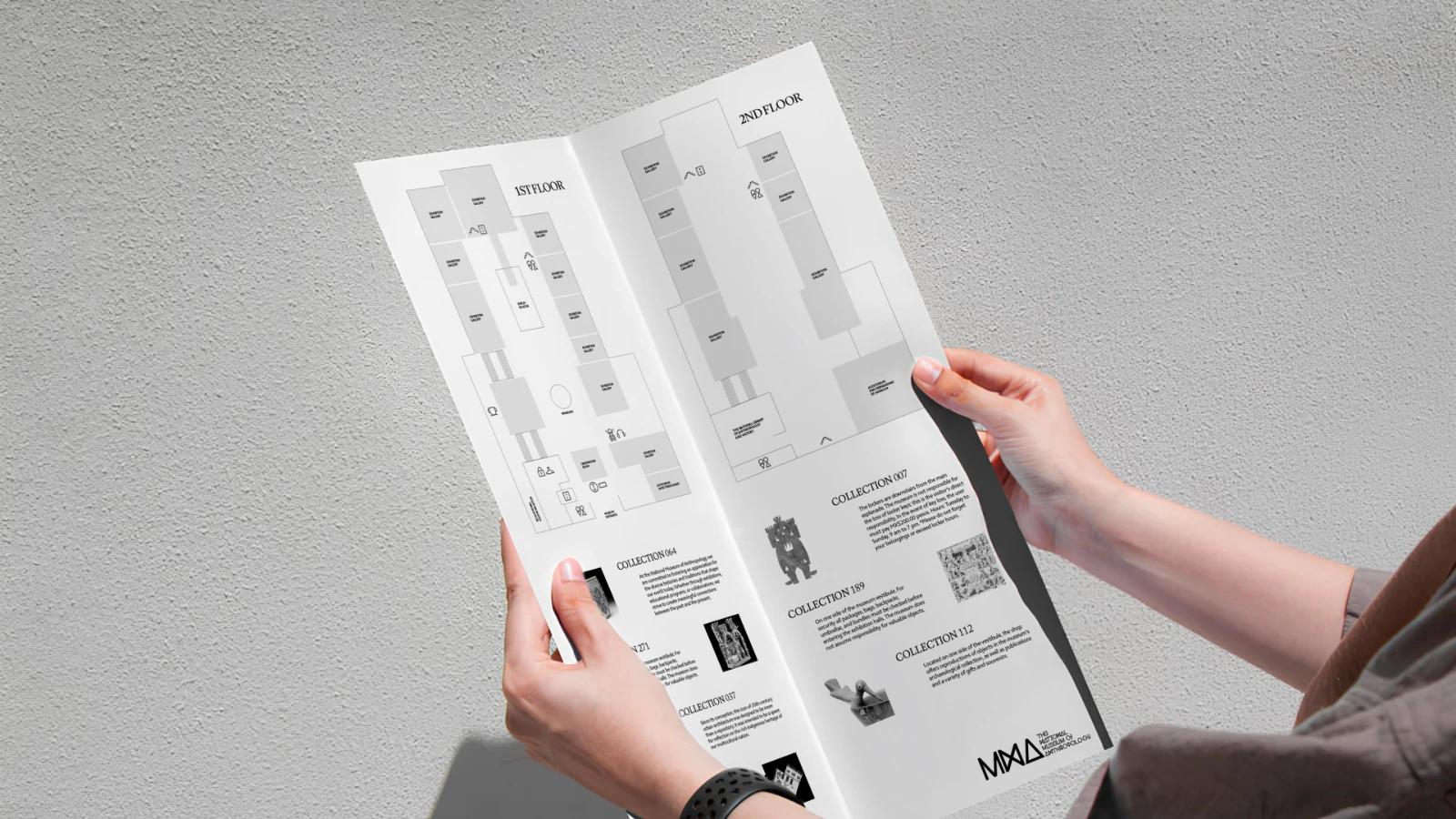
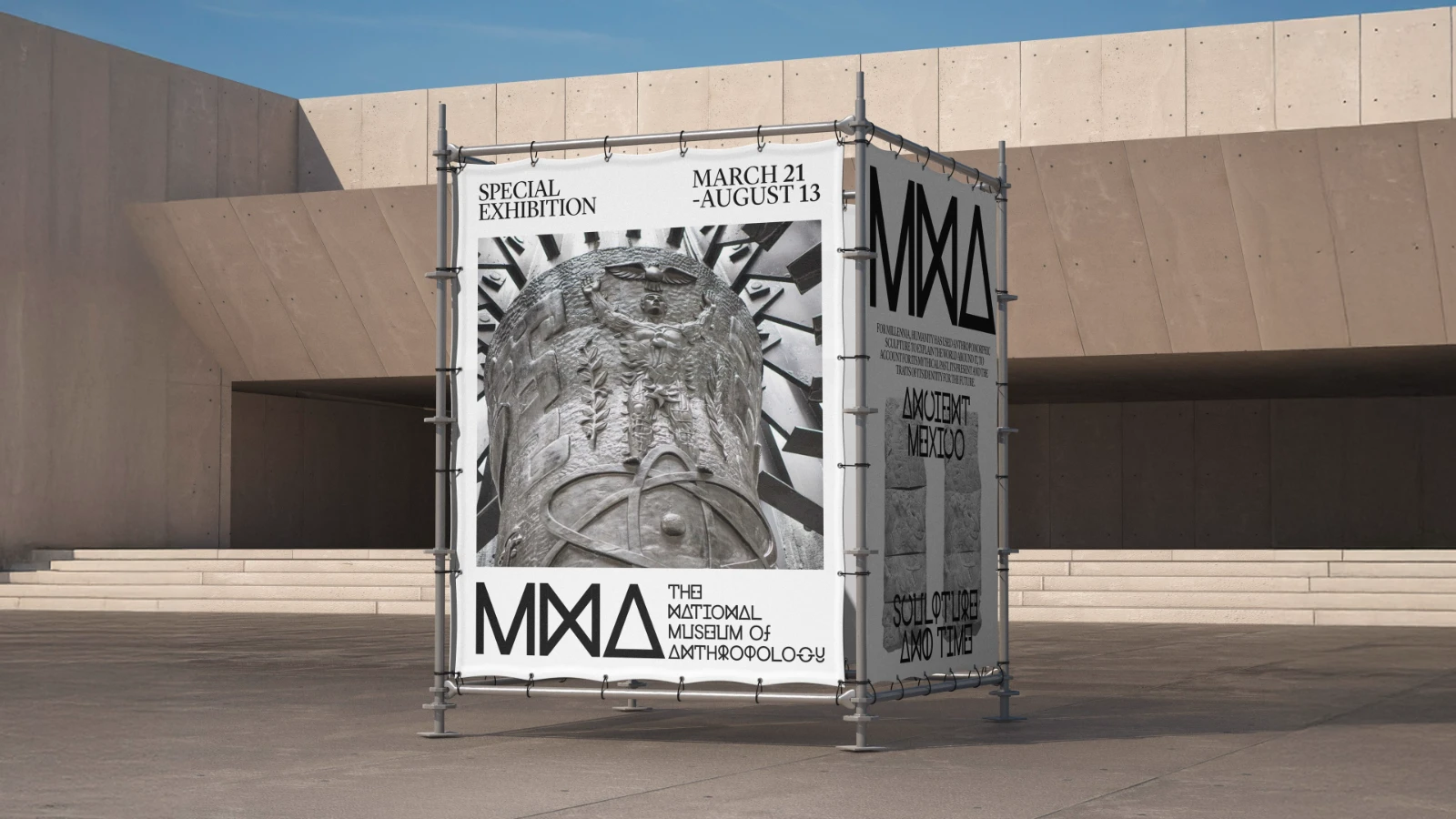
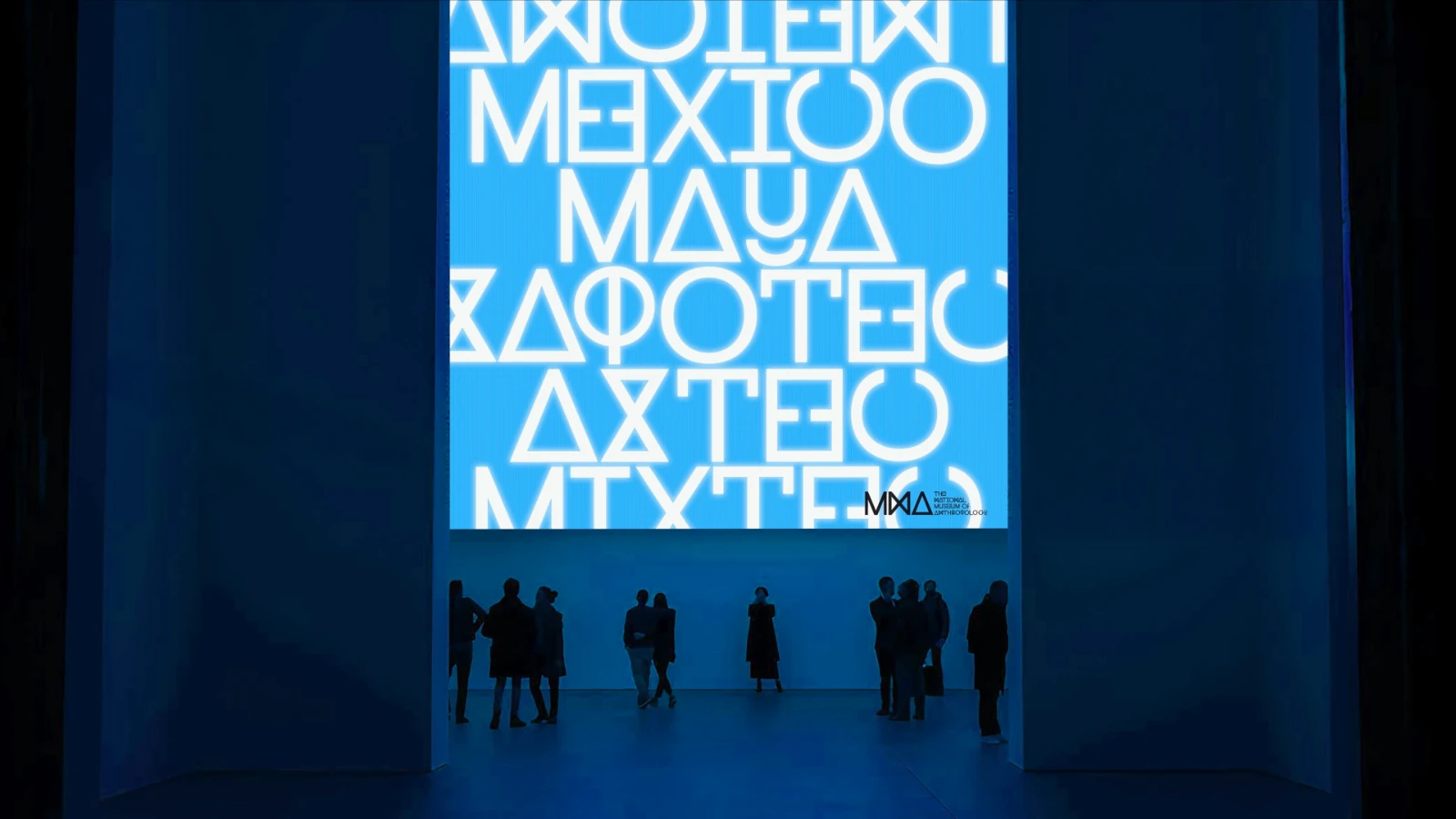
The design concept for the National Museum of Anthropology takes its inspiration from the Mesoamerican understanding of symmetry and hieroglyphic writing systems. Reflecting the museum’s role as a bridge between past and present, ancient and modern, and isolated traditions and collective heritage, it seeks to unify Mexico’s diverse cultures into a shared, evolving narrative.
This idea is embodied in a custom typeface inspired by symmetry and hieroglyphs, reinforcing the museum’s role as a visual and conceptual link between these intersecting histories and identities.

Osmosis
-
Concept, Art Direction, Branding,Identity System, Naming
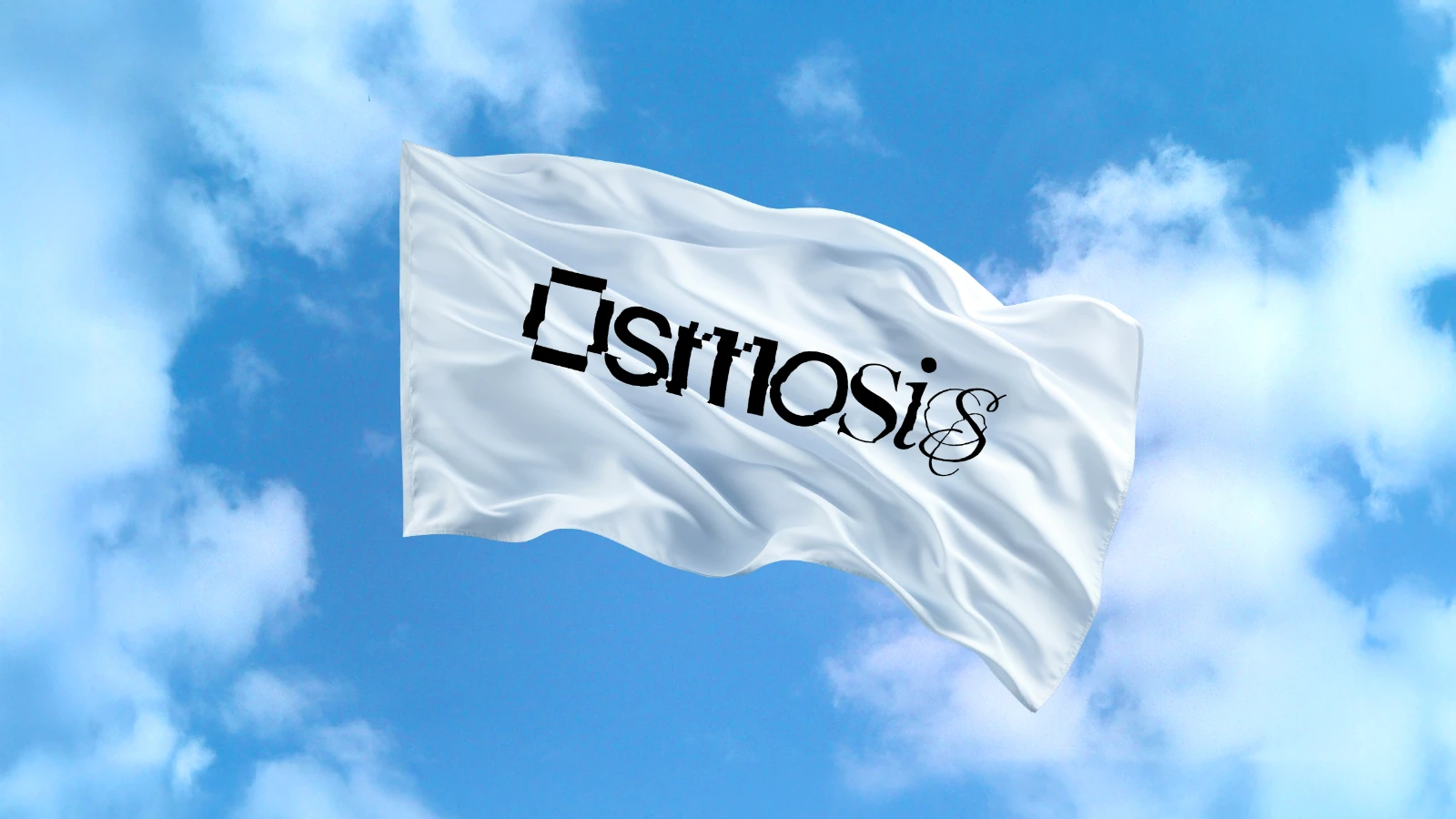
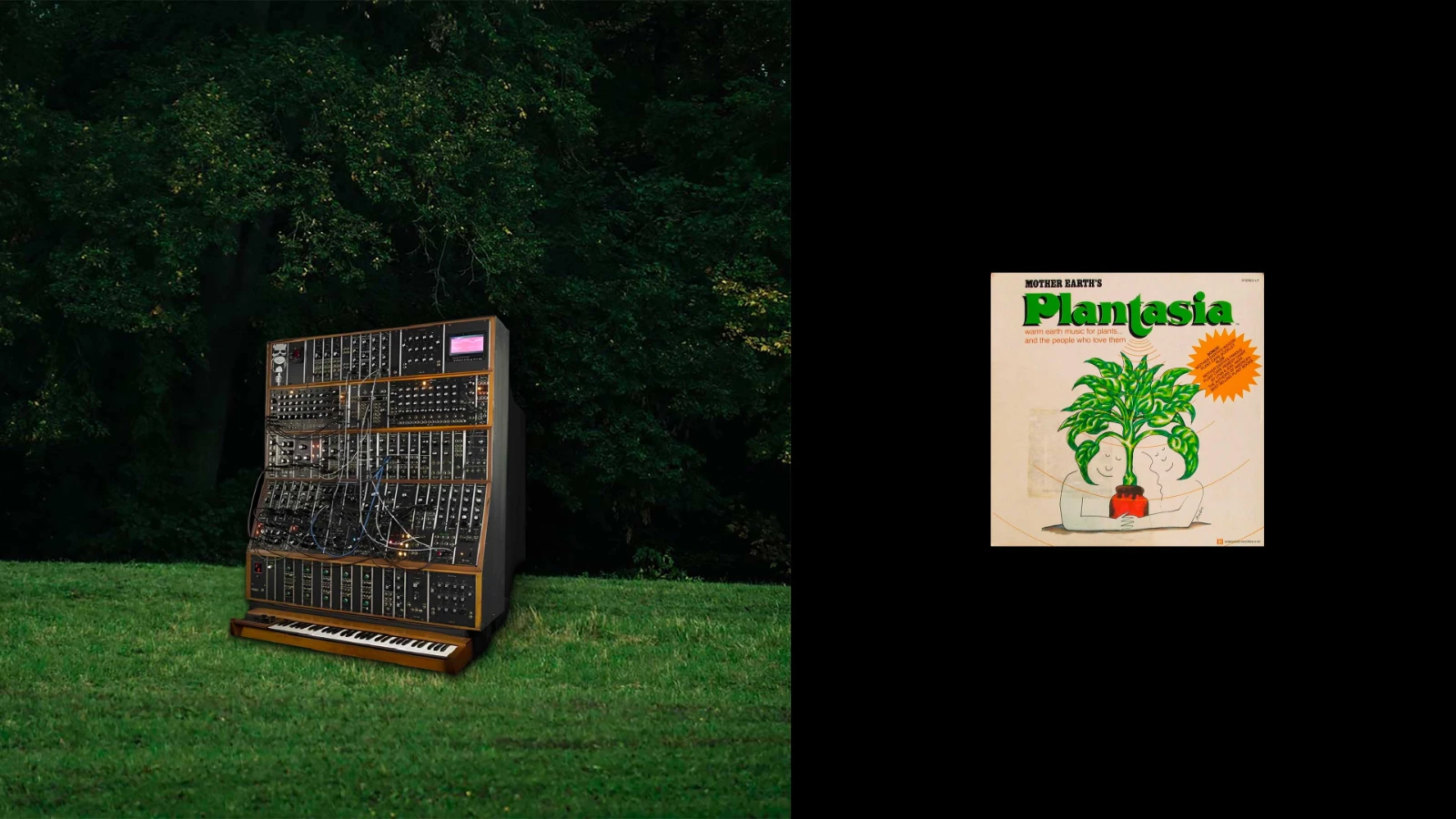
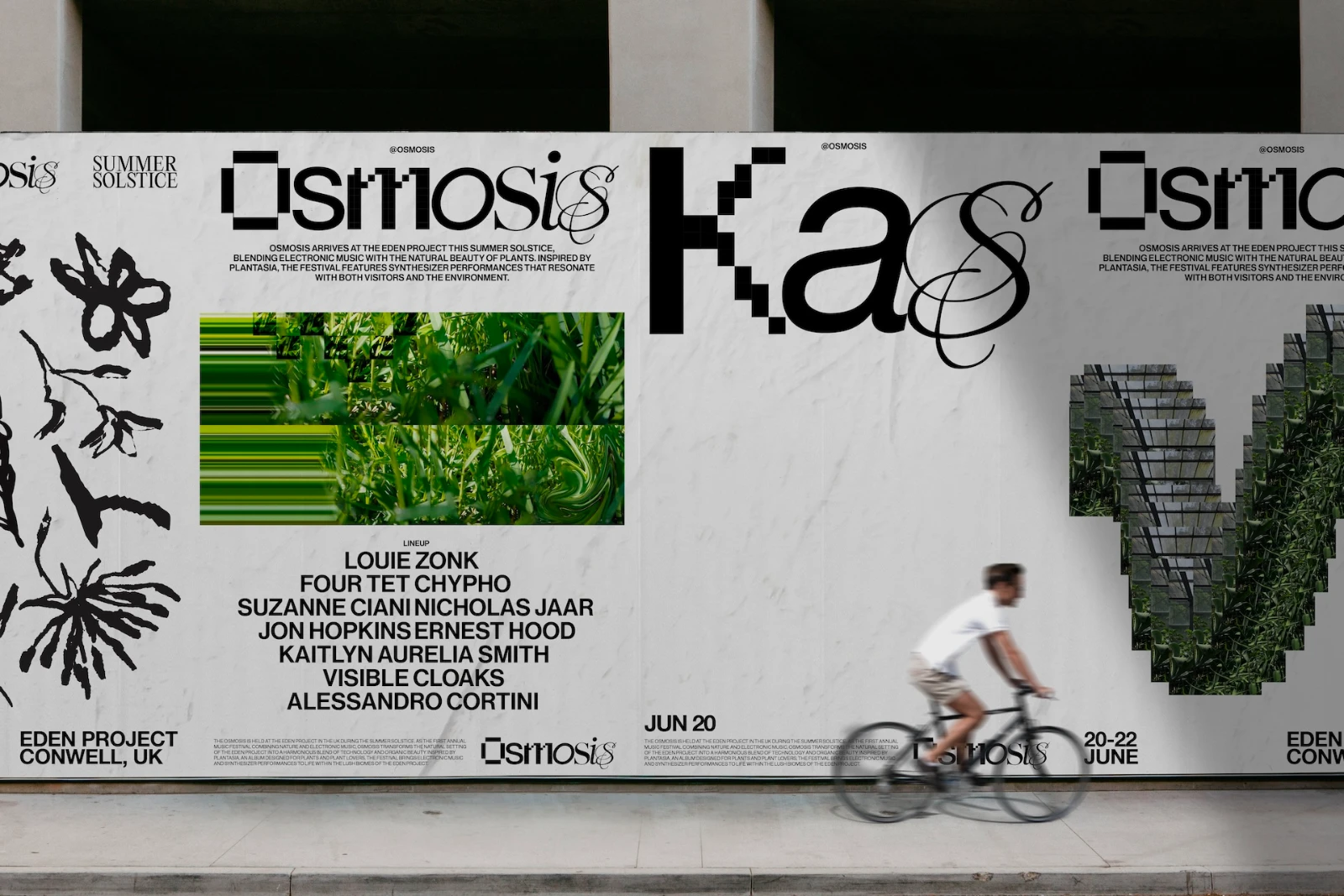
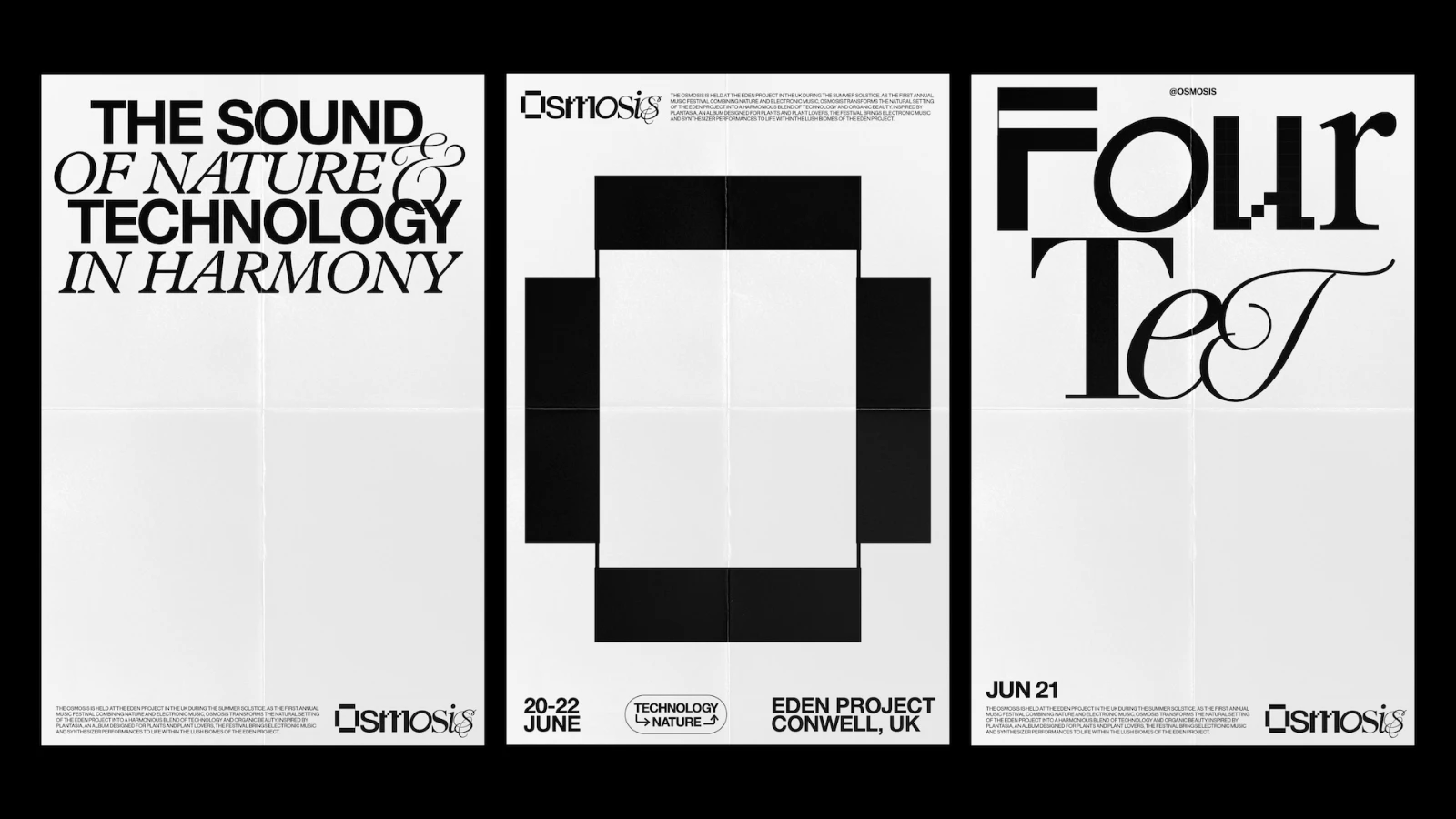
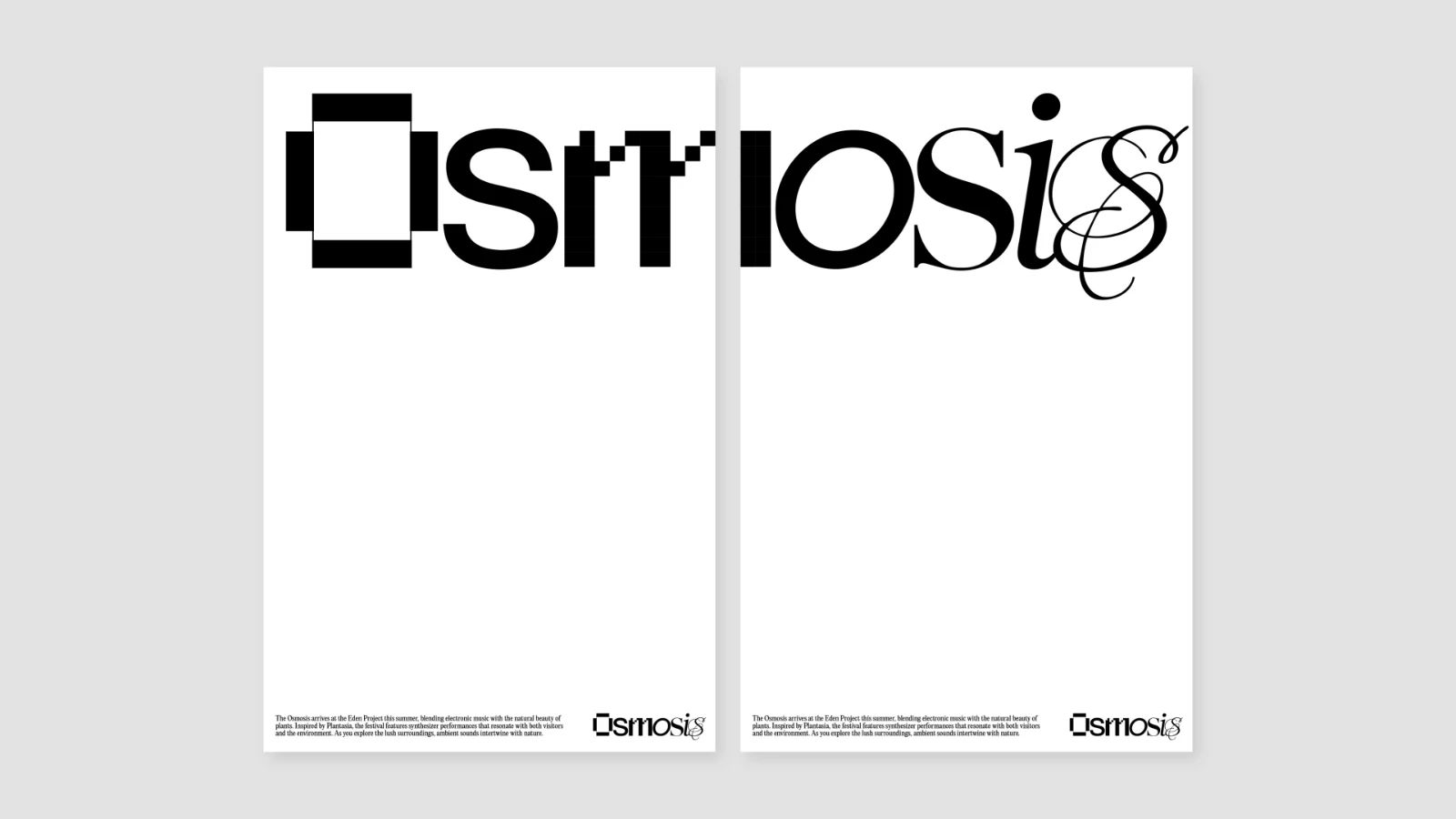
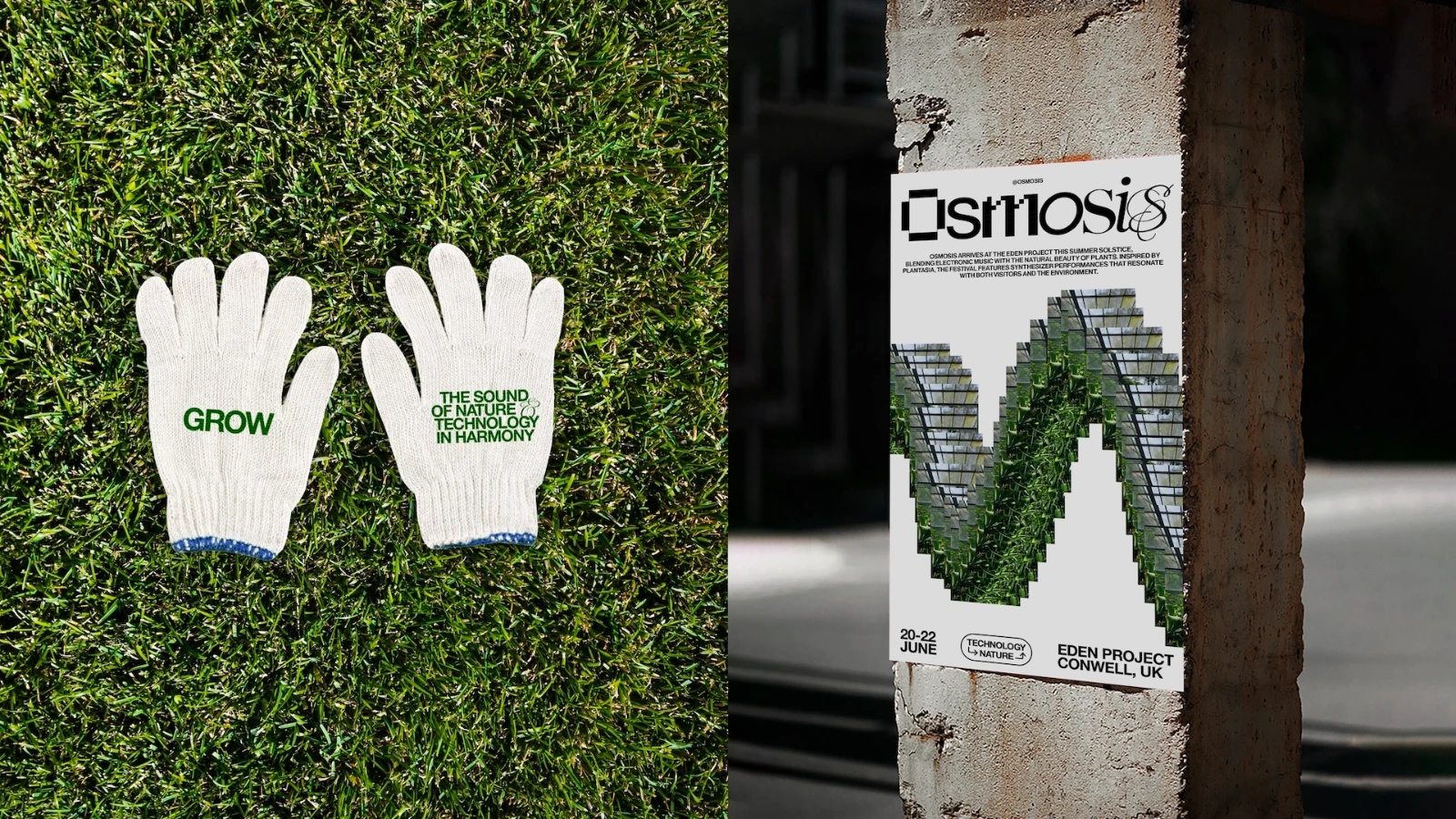
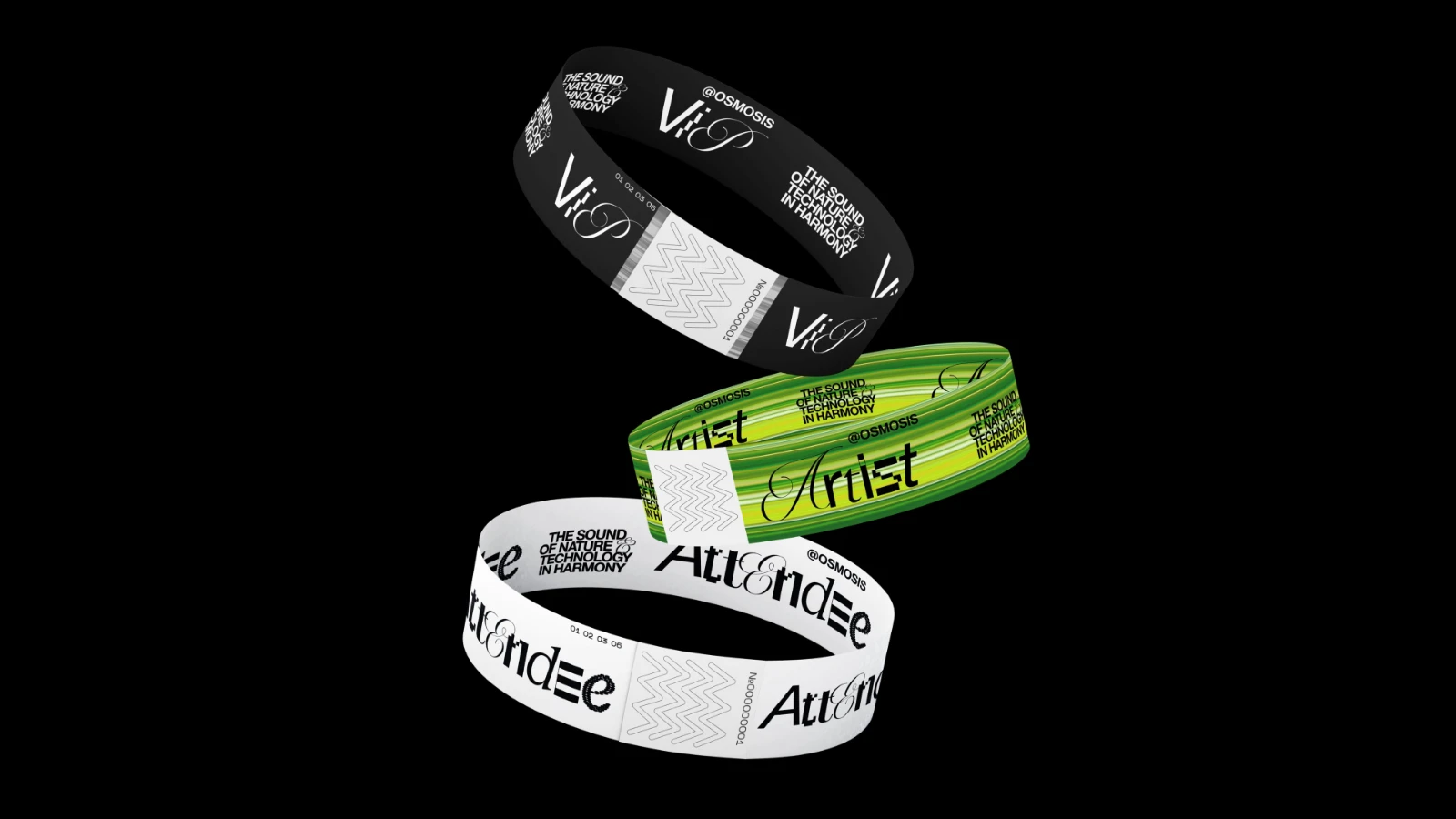
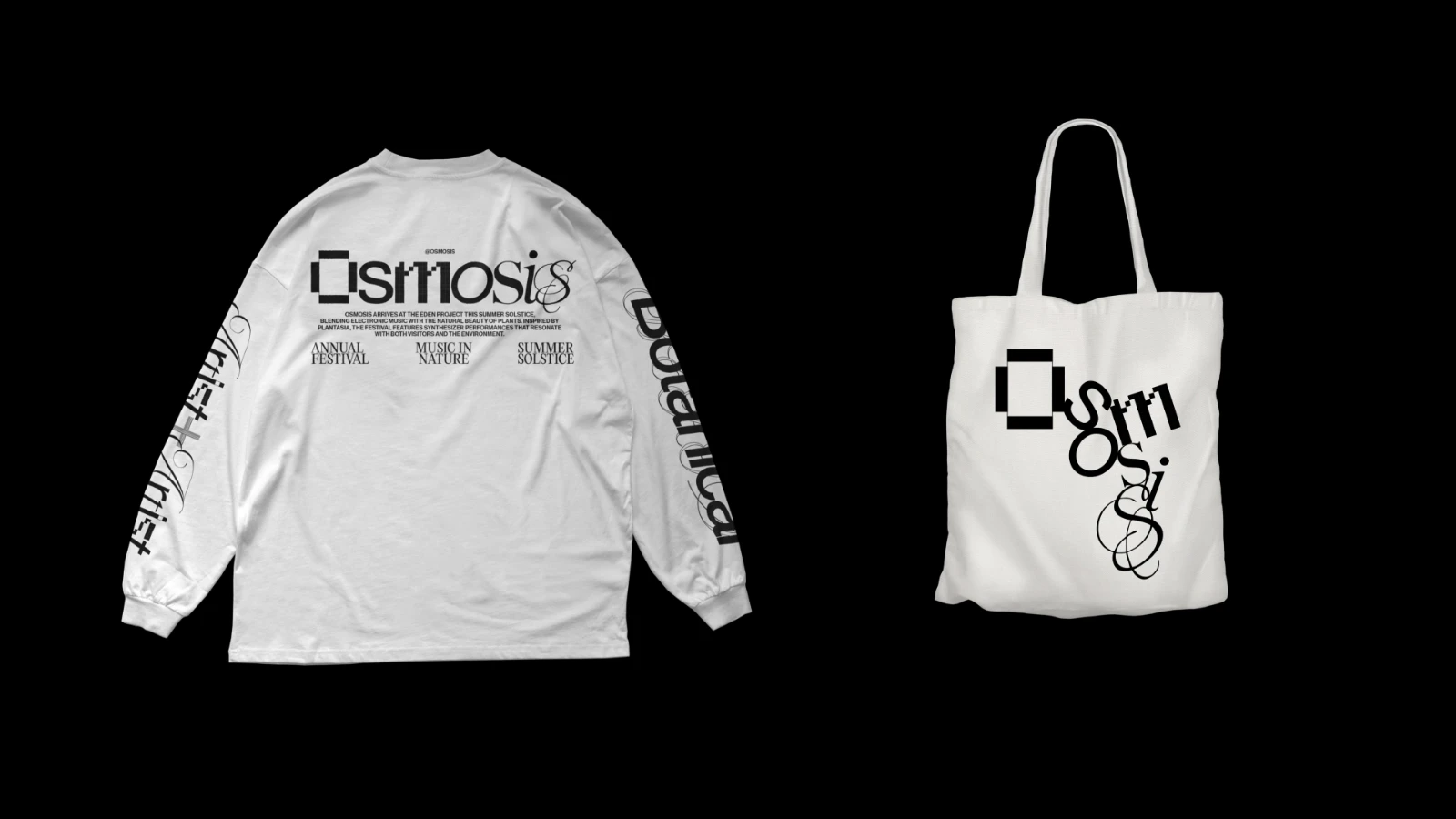
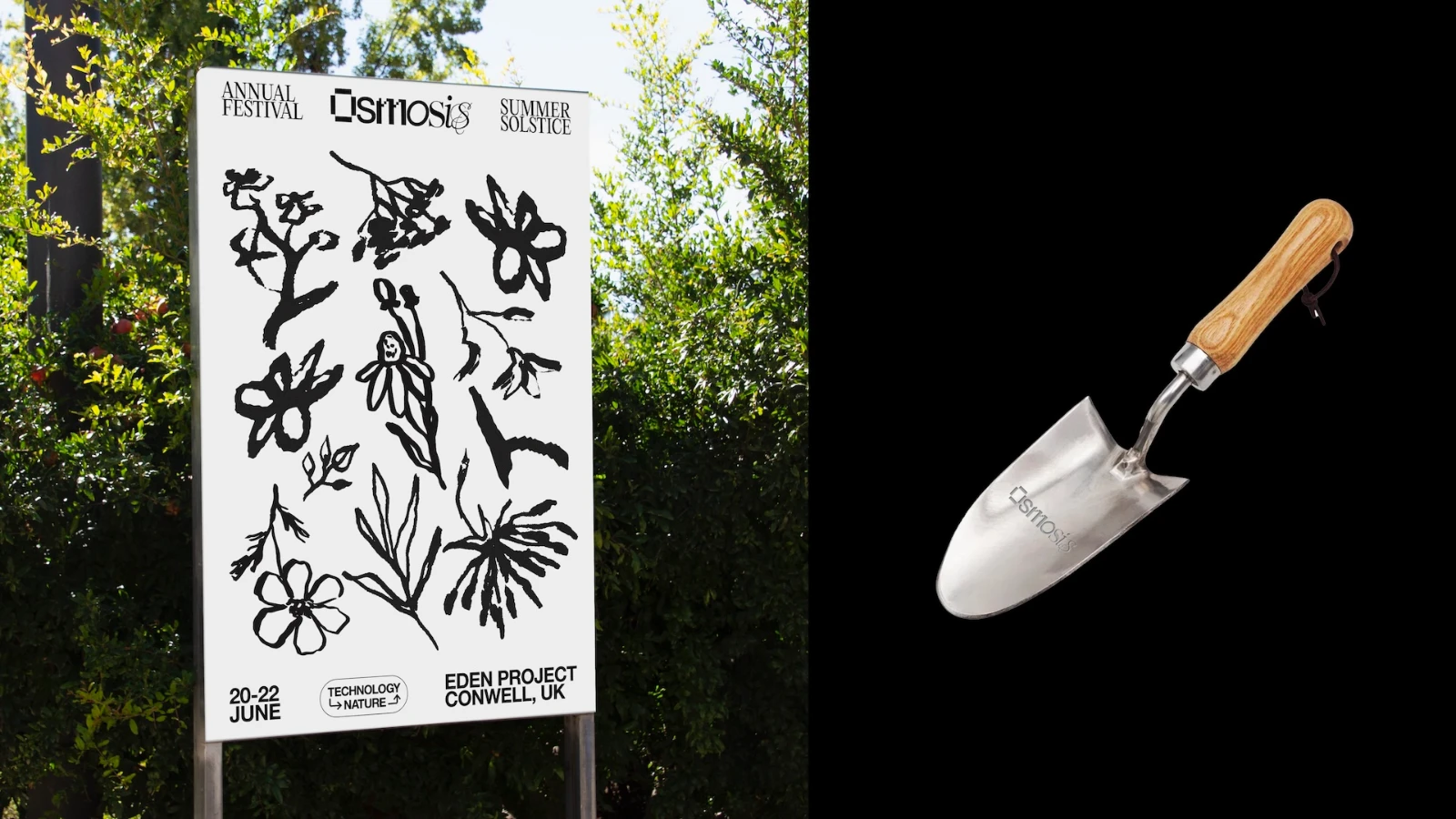
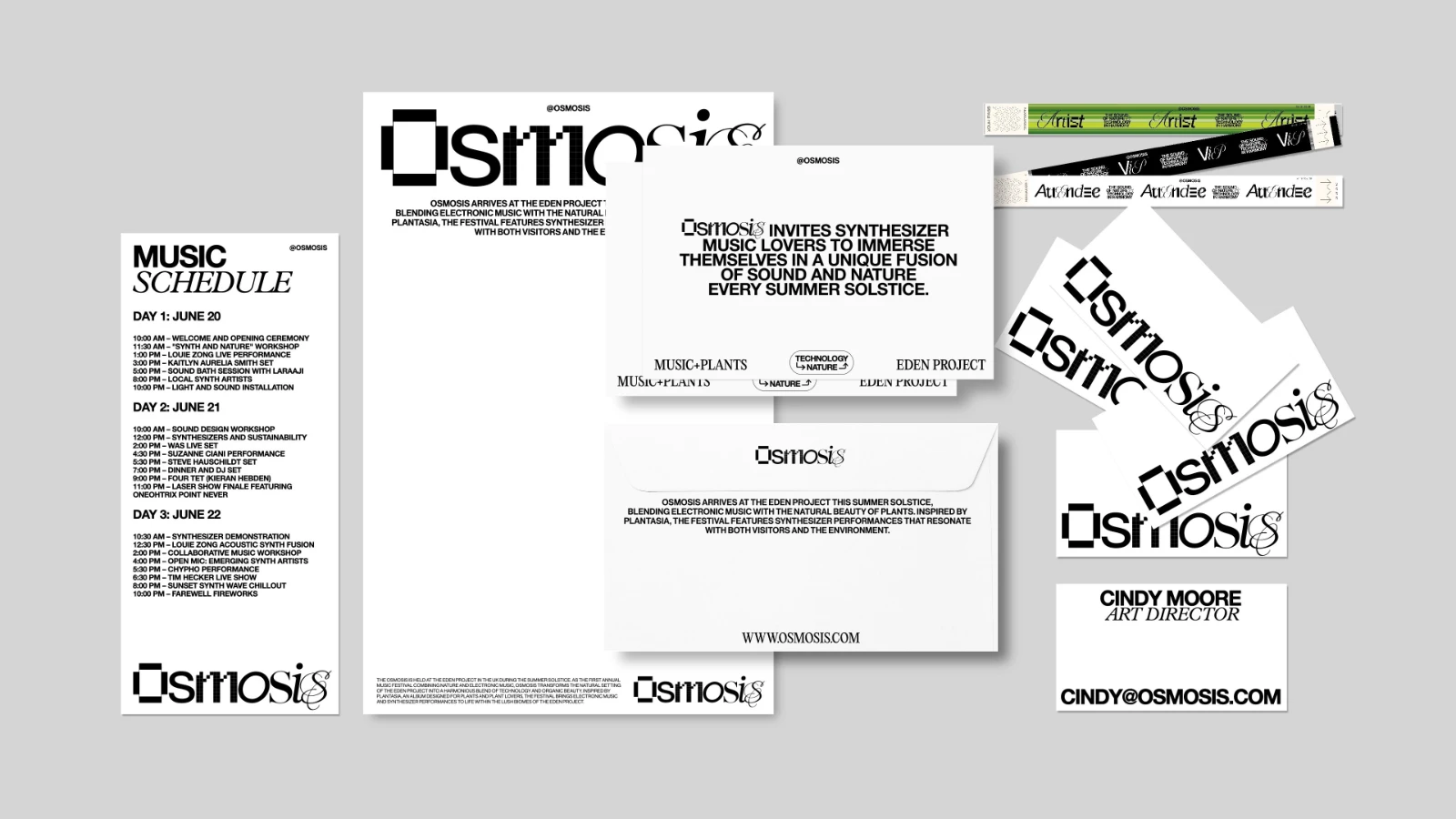
The goal of Osmosis was to create a unique music festival identity that blends the technical side of electronic music with the organic, nurturing qualities of nature. The project aimed to celebrate the unexpected harmony between two contrasting elements—technology and nature.
The visual identity utilized a combination of highly technical typography and organic letterforms to represent the fusion of technology and nature. Pixelated and repeated imagery conveyed the structural aspects of electronic music, creating a cohesive and striking system that embodied the festival’s unique vision.




ATP
-
Brand Identity (Team Role in CGH)The ATP sought to evolve the ATP No. 1 Club from a symbol of athletic achievement into a lifestyle brand that resonates with a global audience. The existing identity lacked the flexibility and impact needed across digital platforms, broadcast, and merchandise, and did not fully connect with tennis fans.
The new identity was designed to be bold, timeless, and intrinsically connected to the sport of tennis. A simplified and structured system ensures strong performance across digital platforms, broadcast environments, and merchandise applications. The dynamic visual language appeals to both younger fans and professional members, establishing a foundation for the ATP No. 1 Club to grow into an iconic, long-term lifestyle brand.

Archive of Found Glass
-
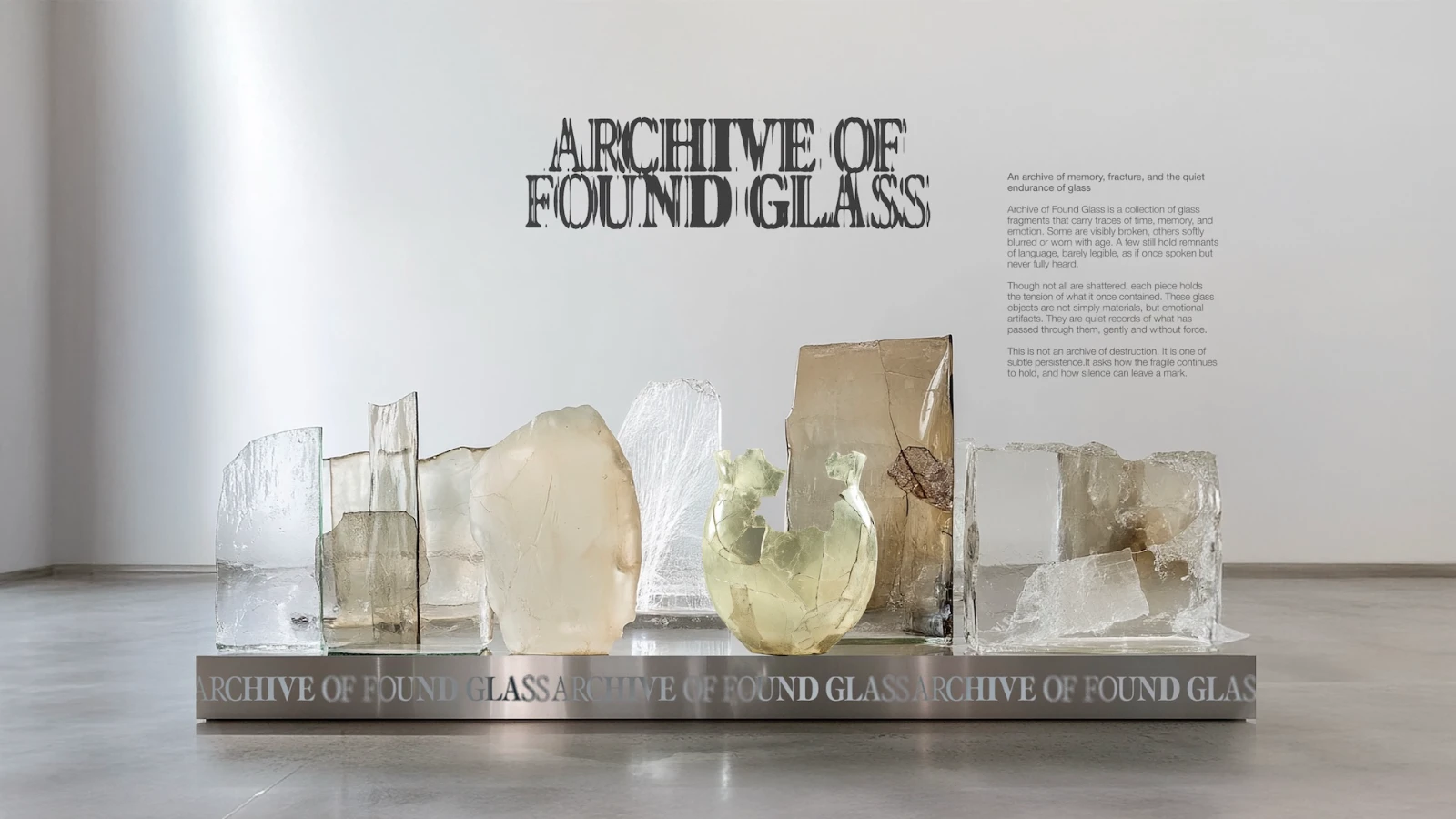
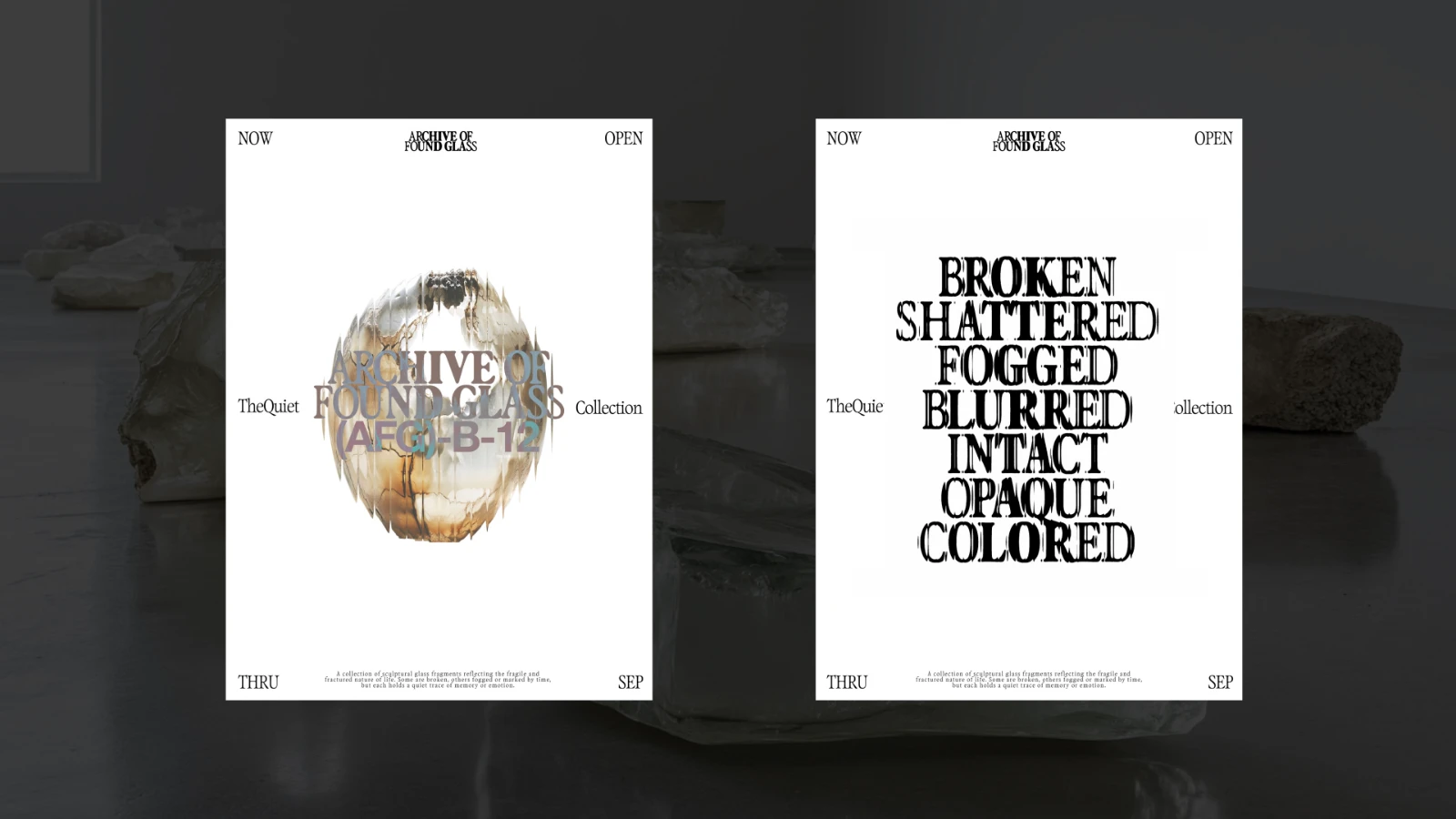
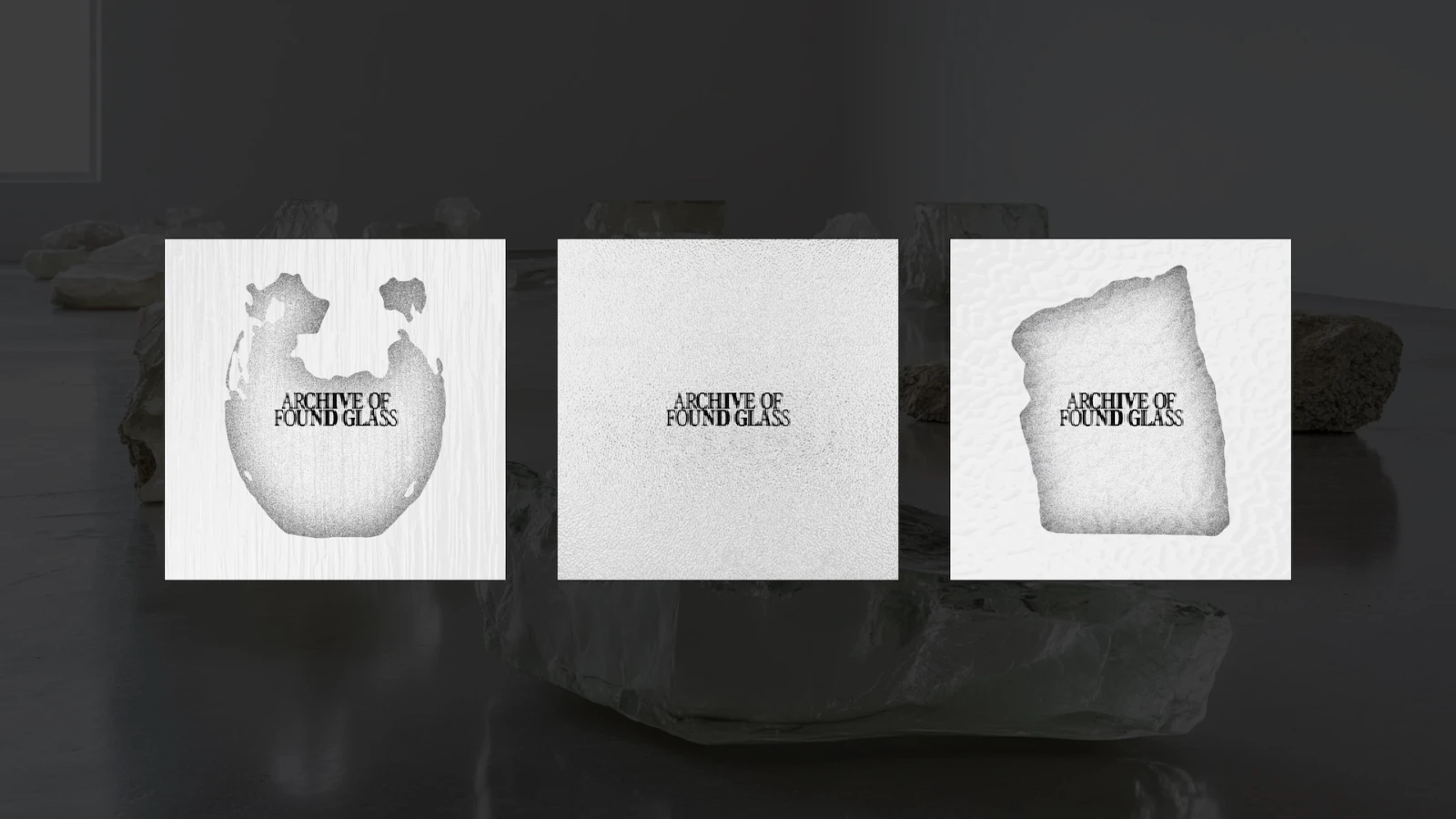
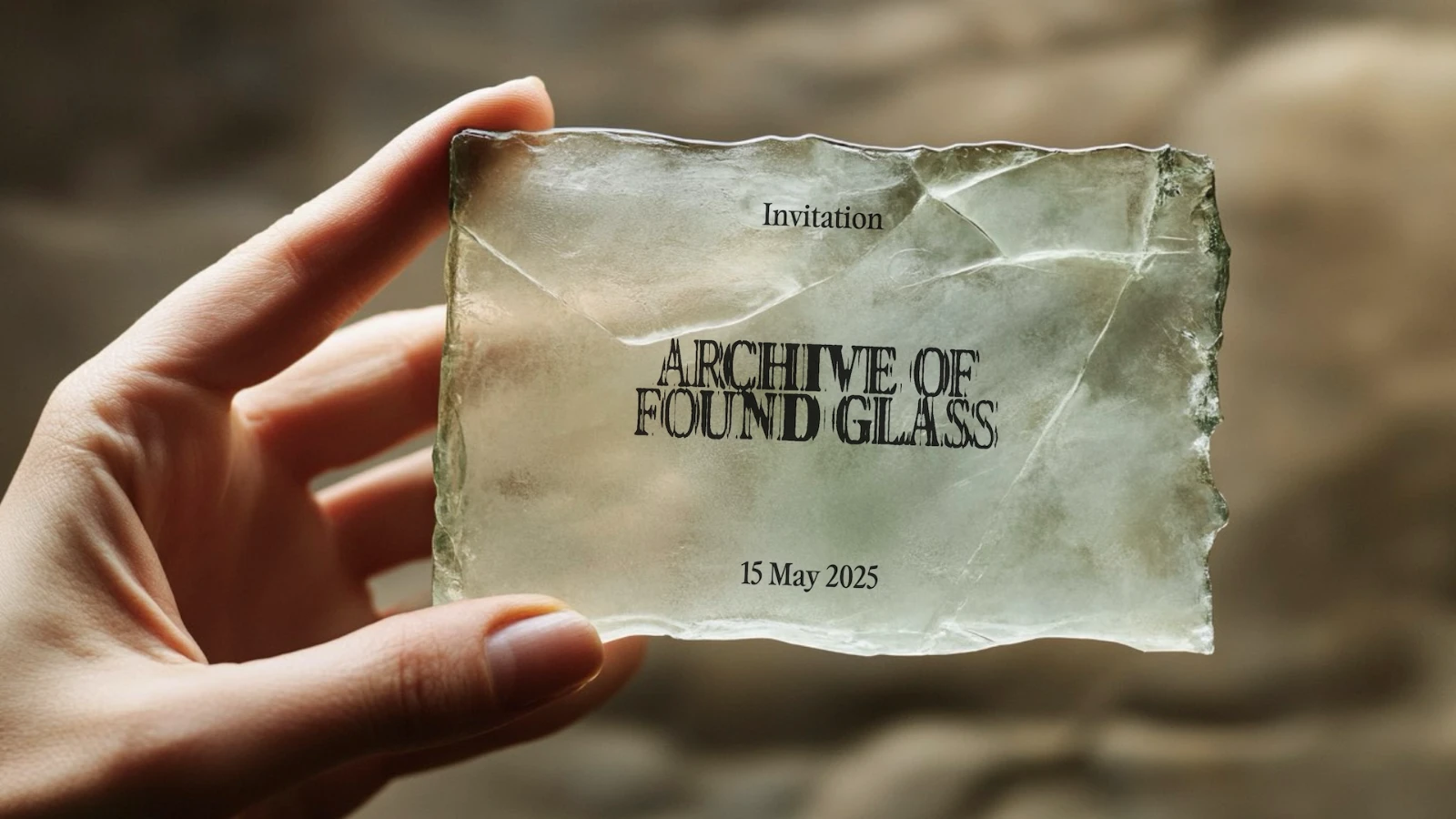
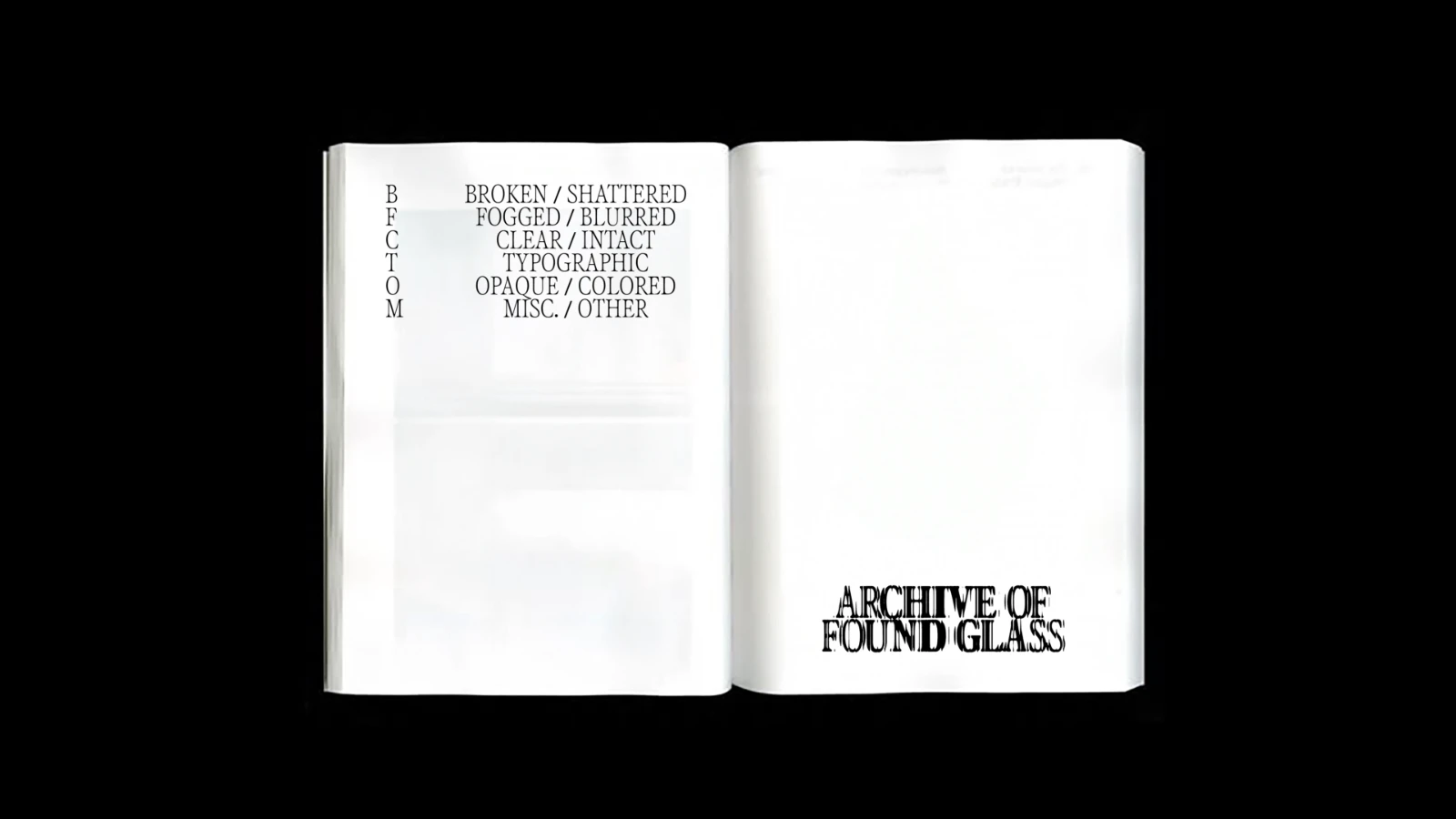
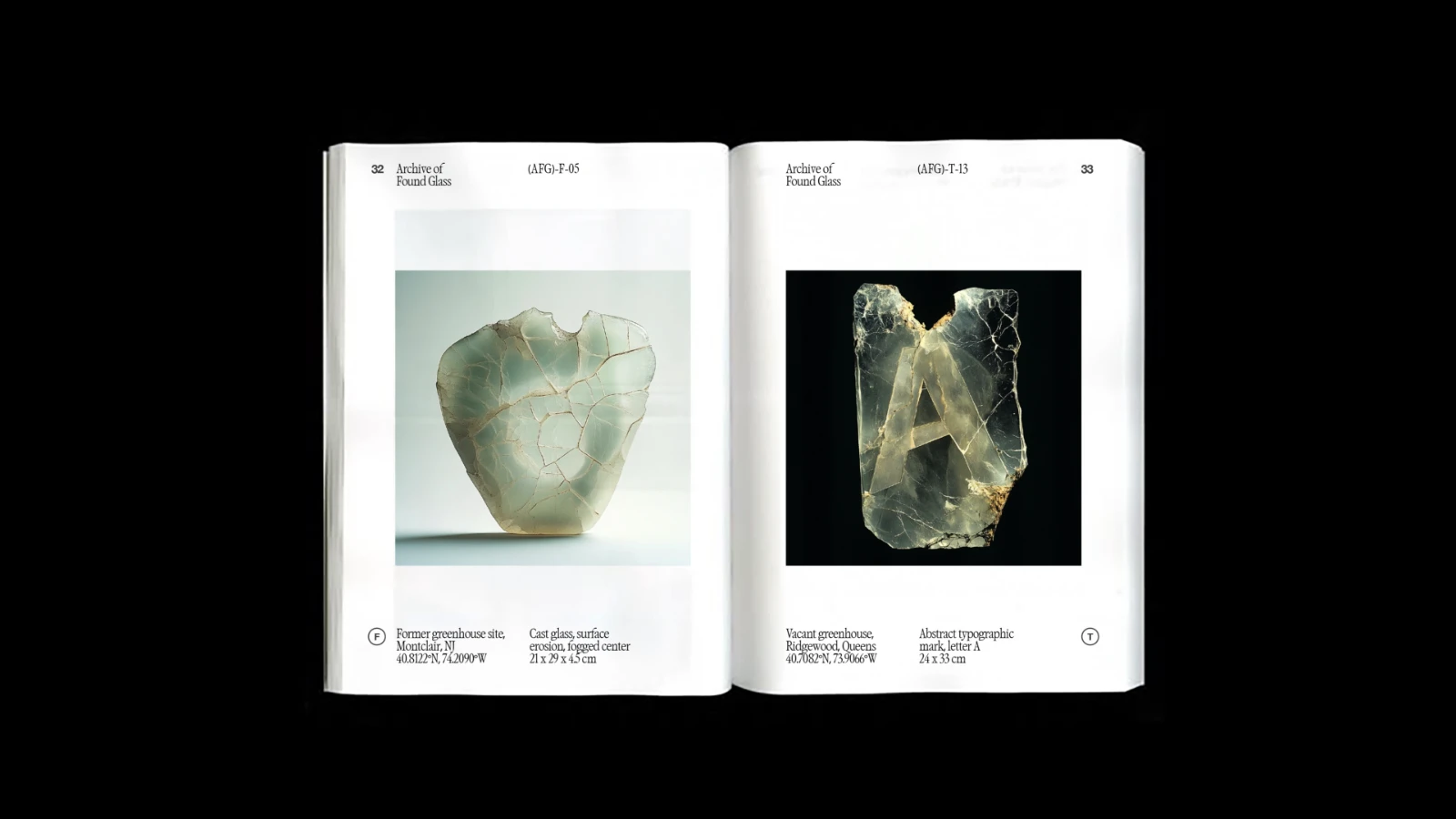
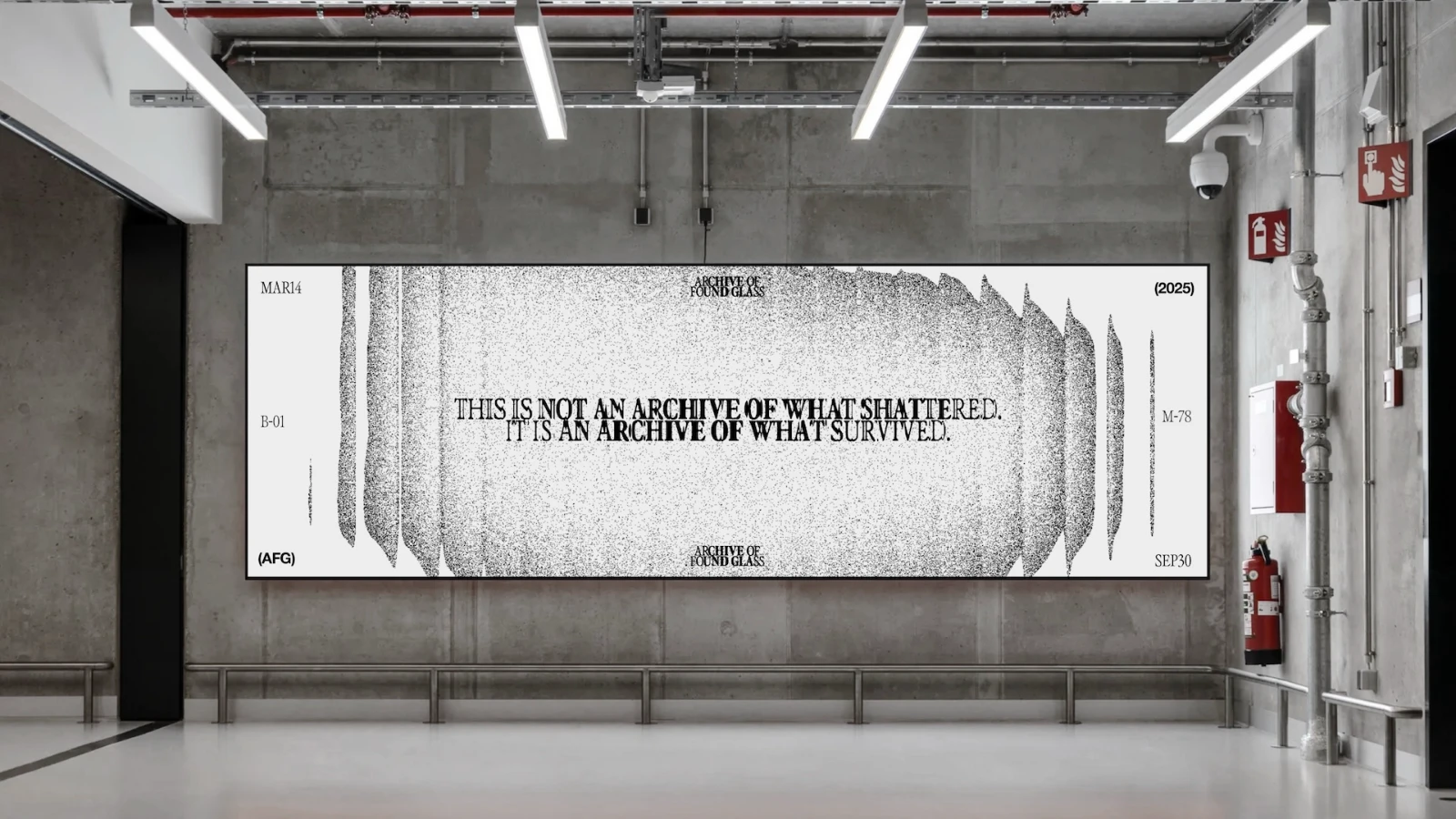
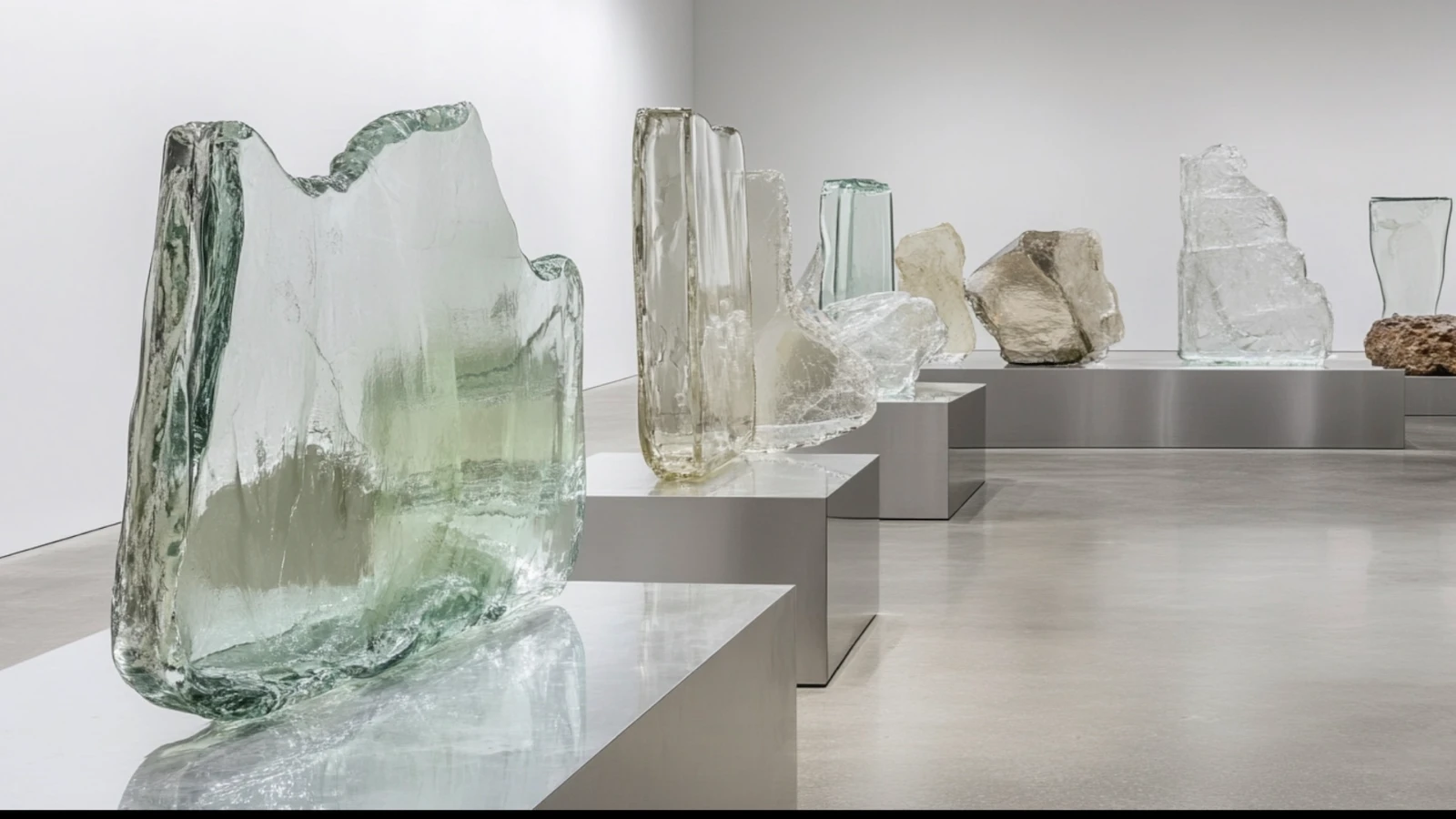
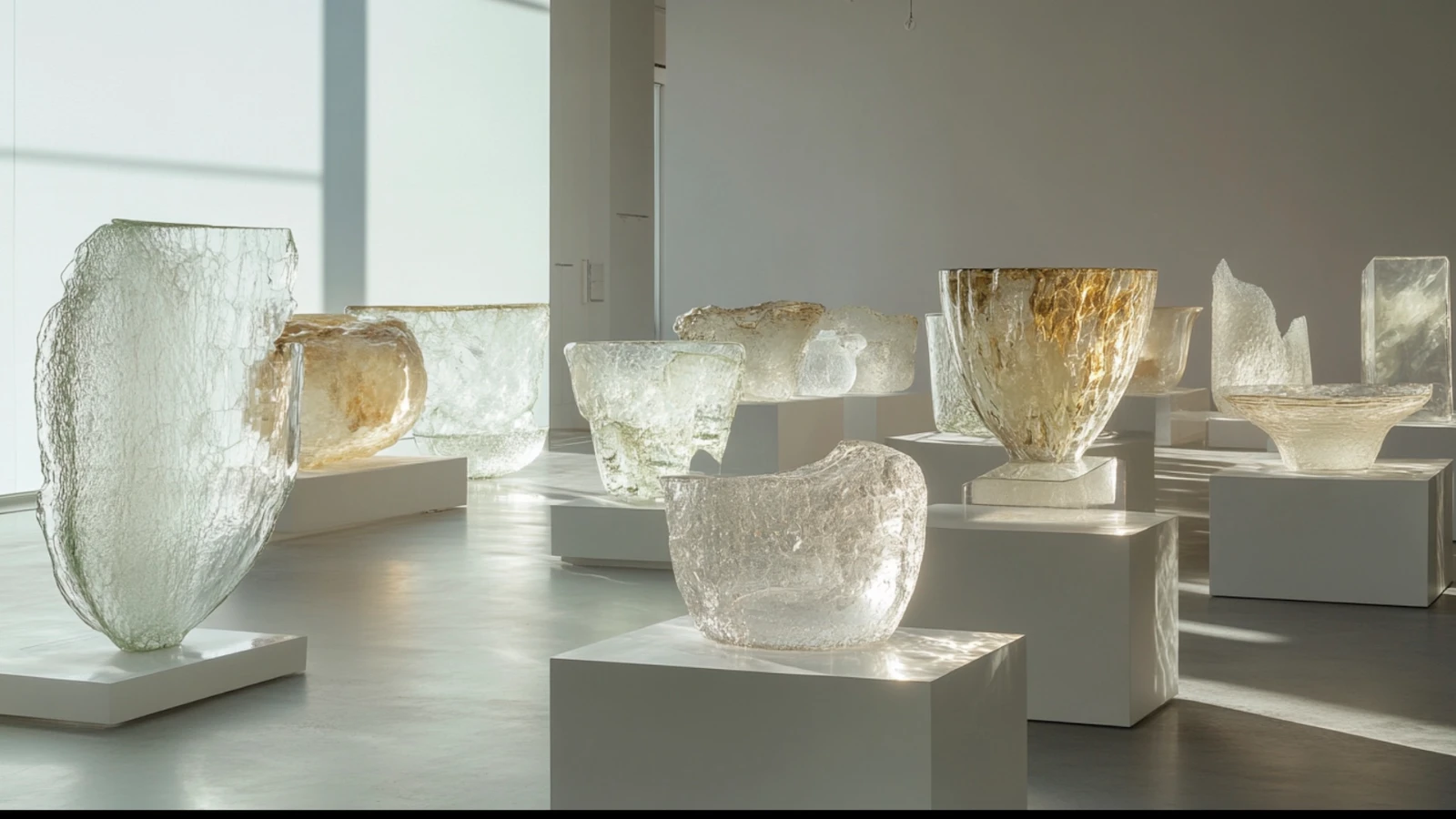
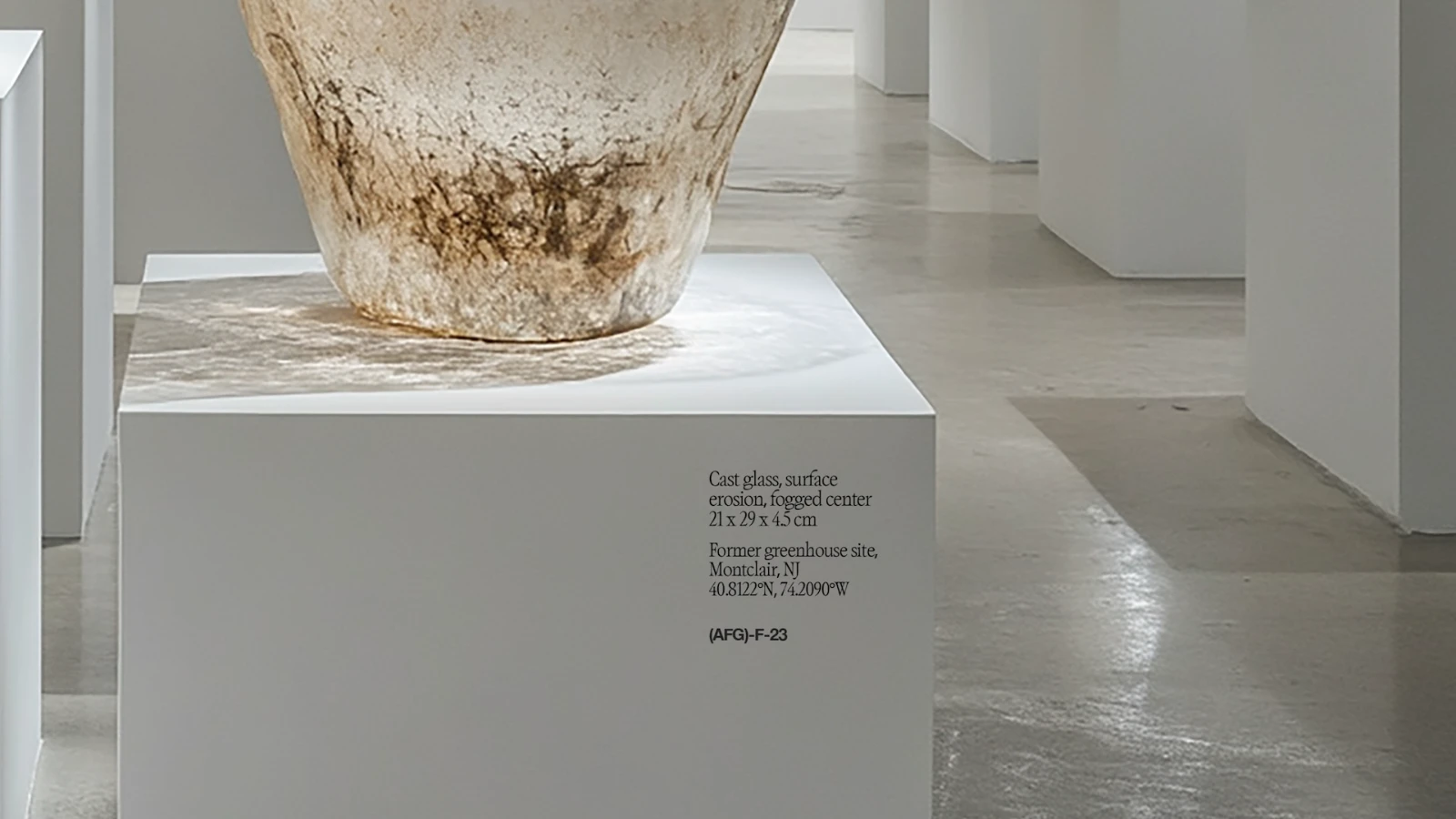
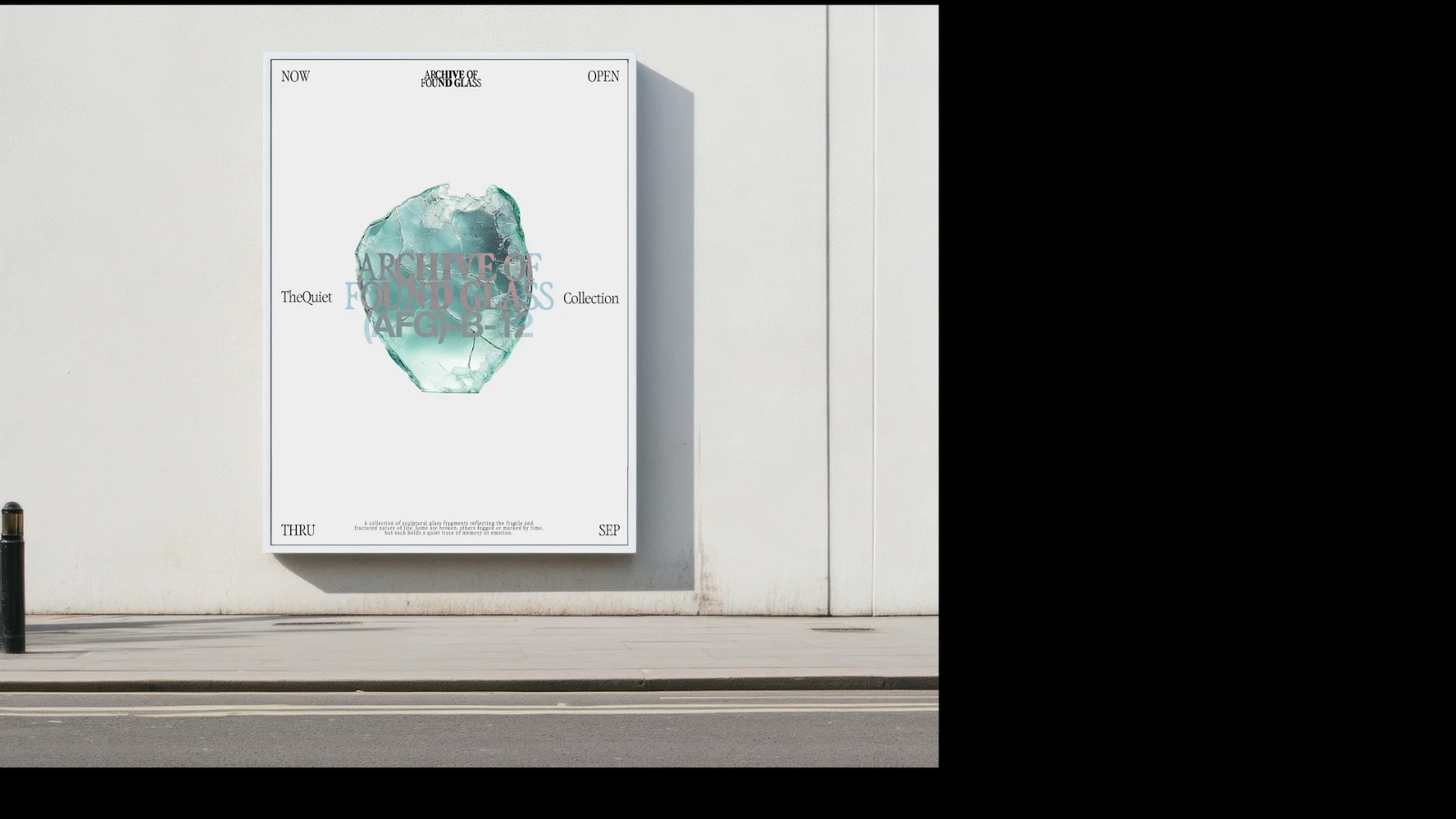
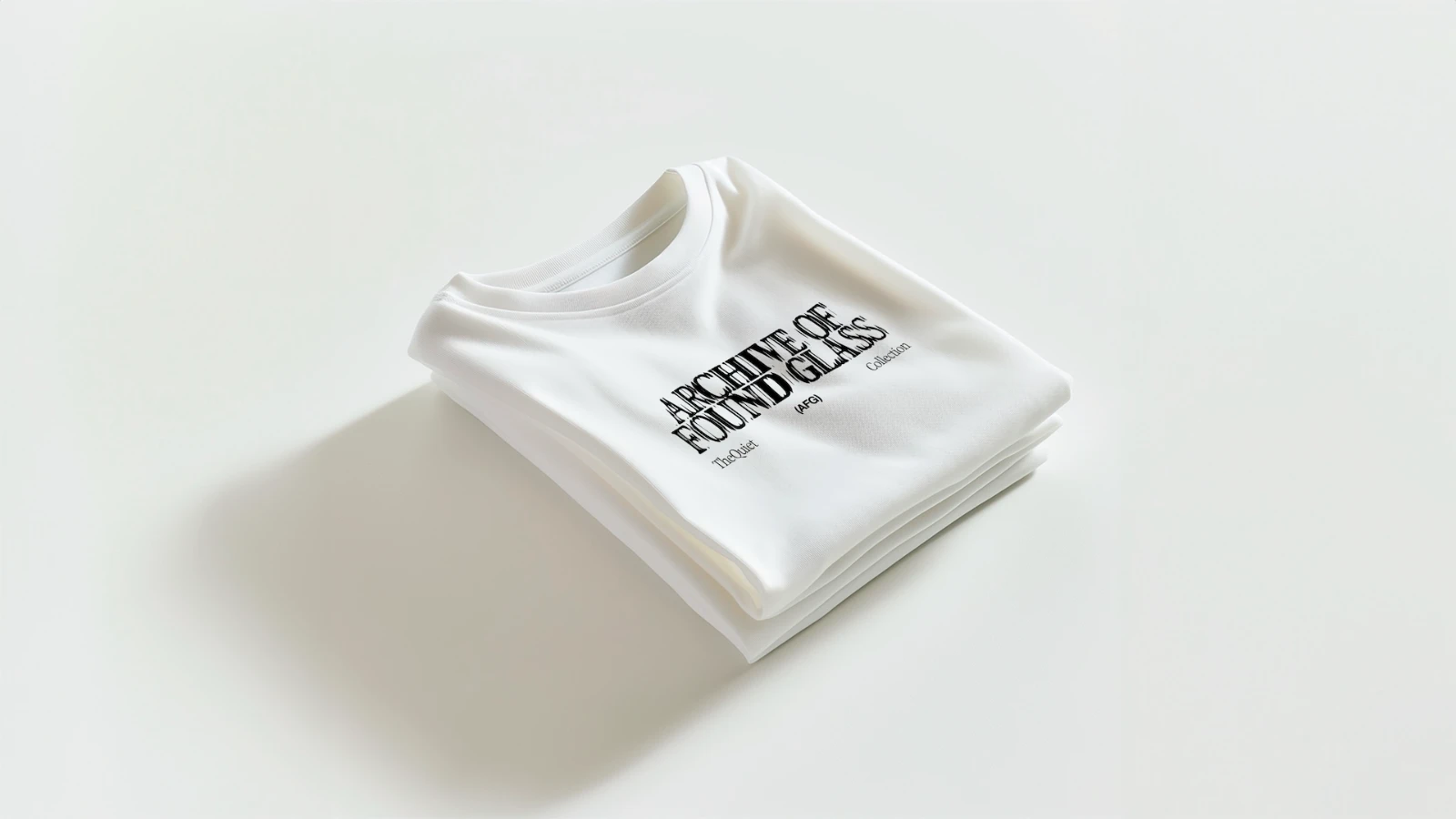
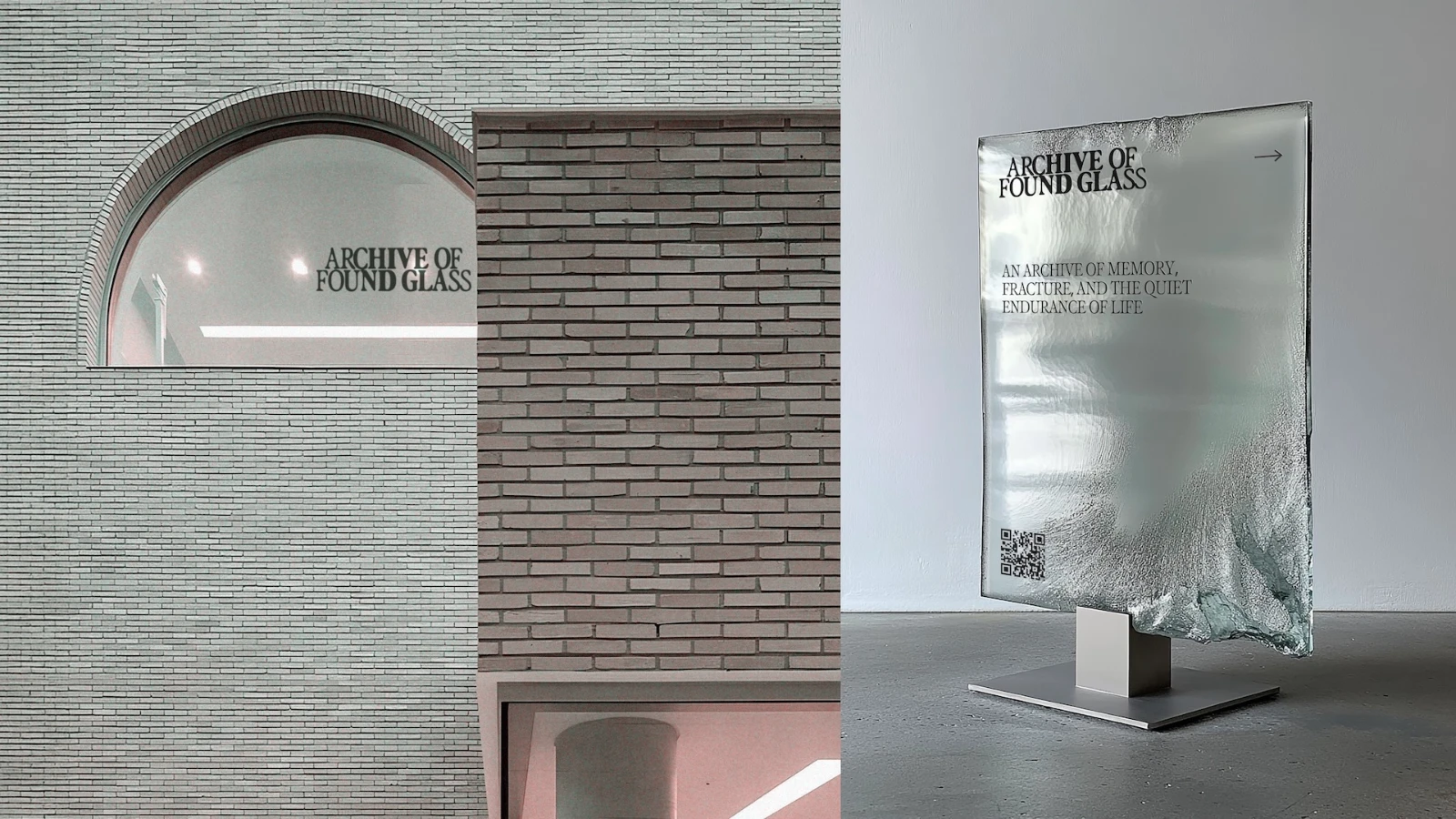
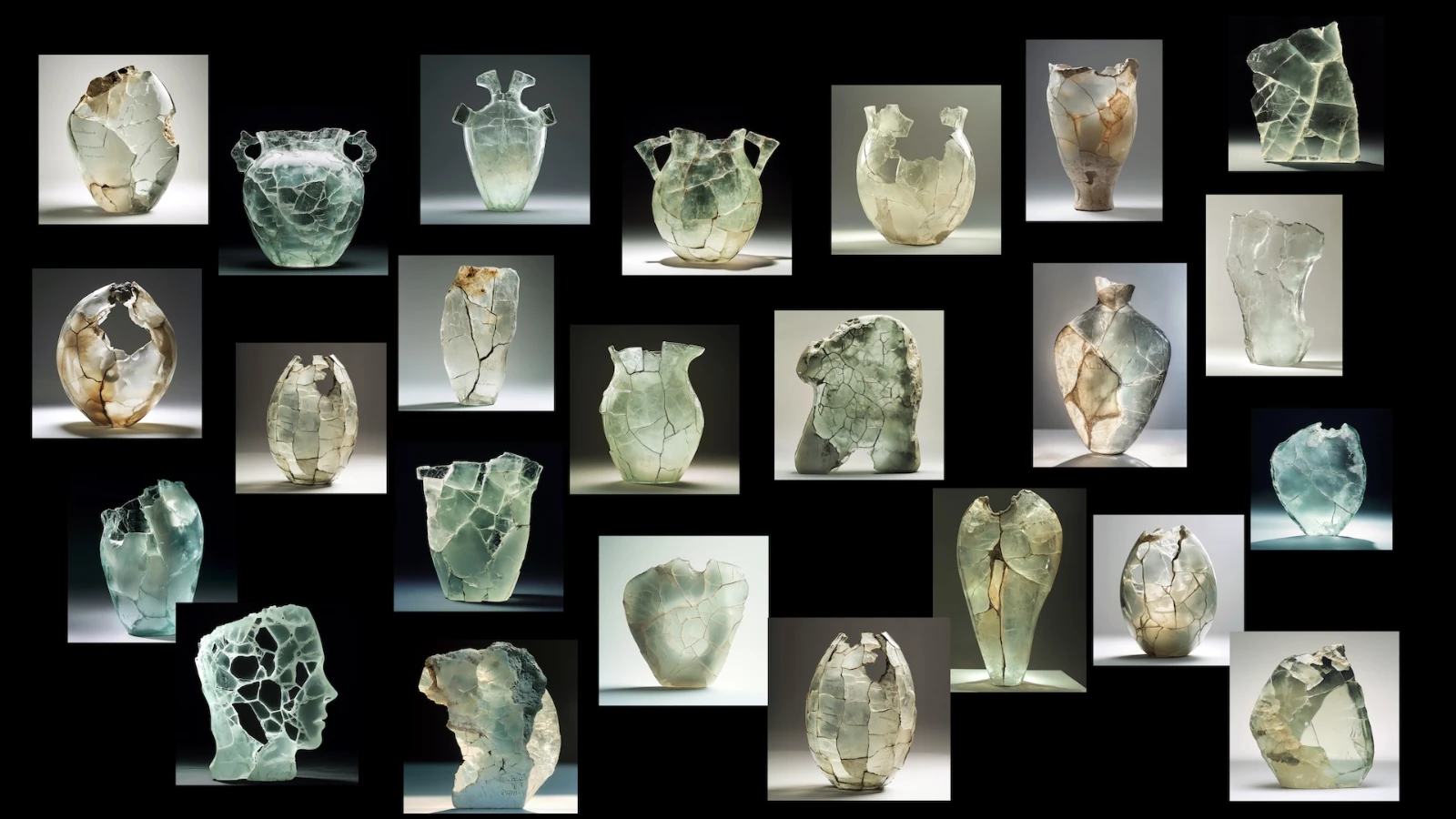
Concept, Art DirectionArchive of Found Glass is a collection of glass fragments that reflect the fragile and fractured nature of life. Some are broken, others fogged or marked by time, but each holds a quiet trace of memory or emotion. This archive reveals how even the most delicate materials continue to hold, carry, and endure.
Drawing from the phenomenon of light refraction through glass, I translated these optical distortions into typography and imagery—bending, layering, and blurring elements to echo the way memory distorts and reframes what we hold onto.
Me, Mushroom and the World
-
Editorial, Photography, Art DirectionThis magazine explores the new relationship between an individual and the world through those extraordinary organisms, mushrooms.
Color Catcher
-
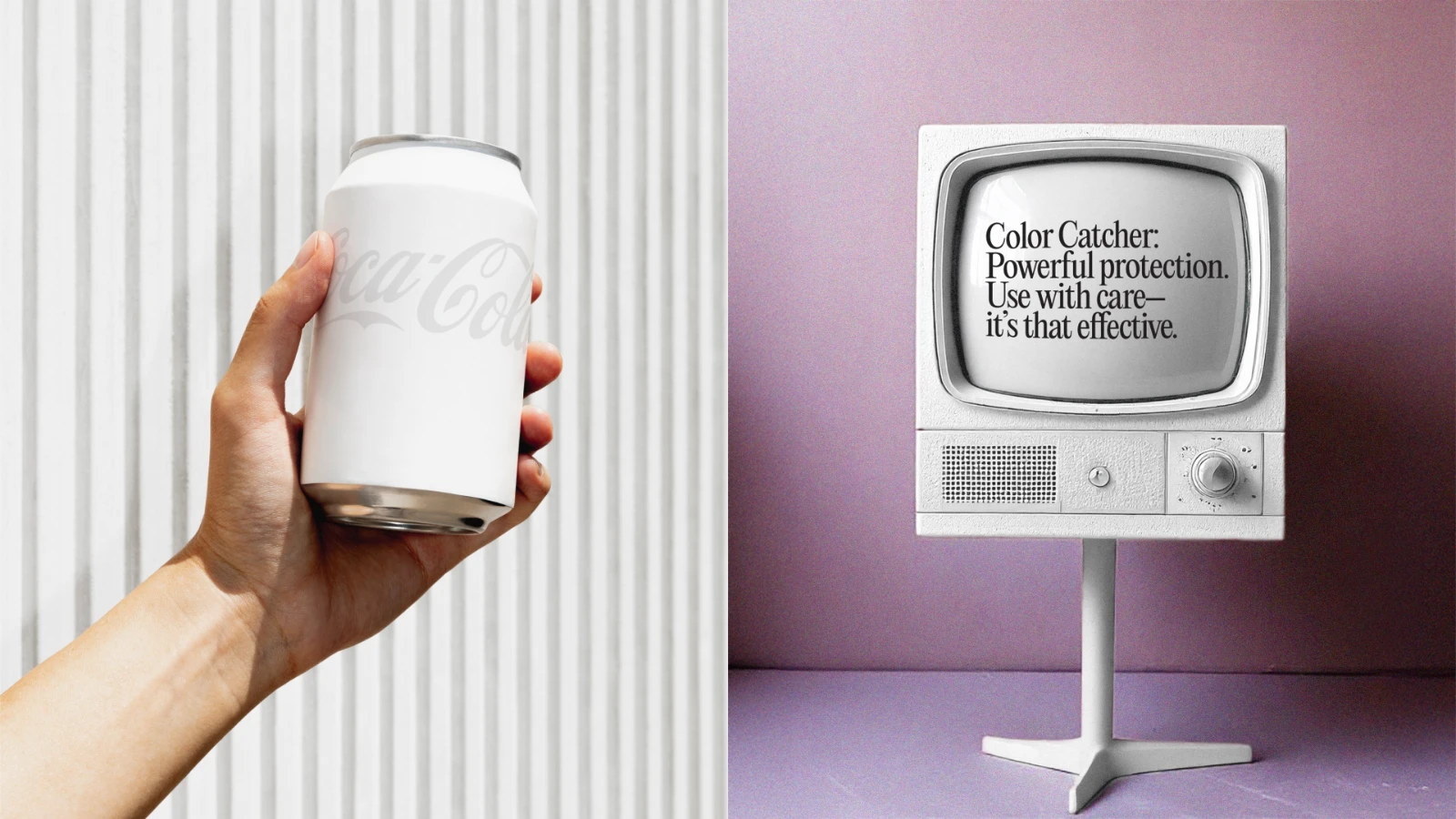
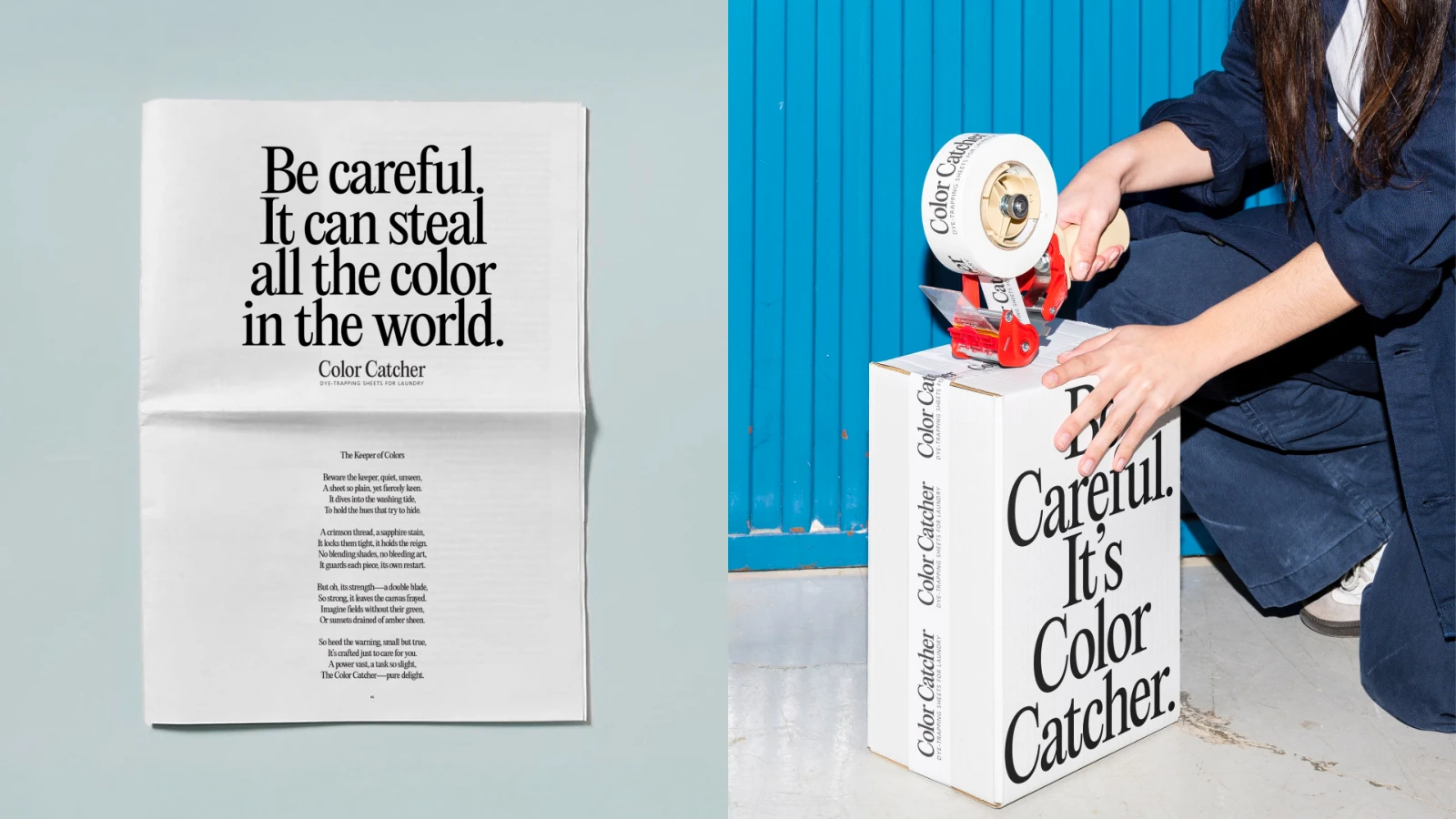
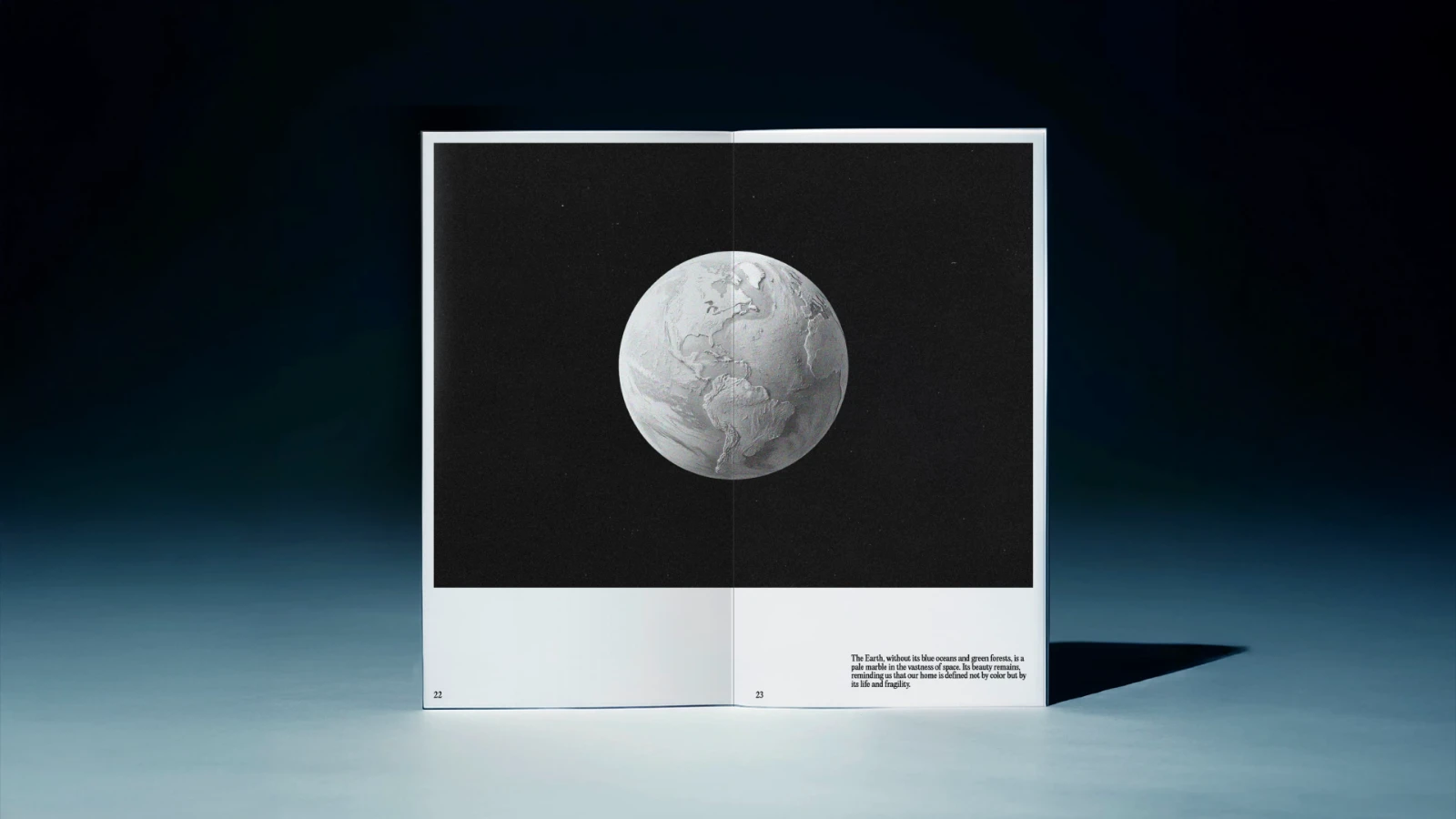
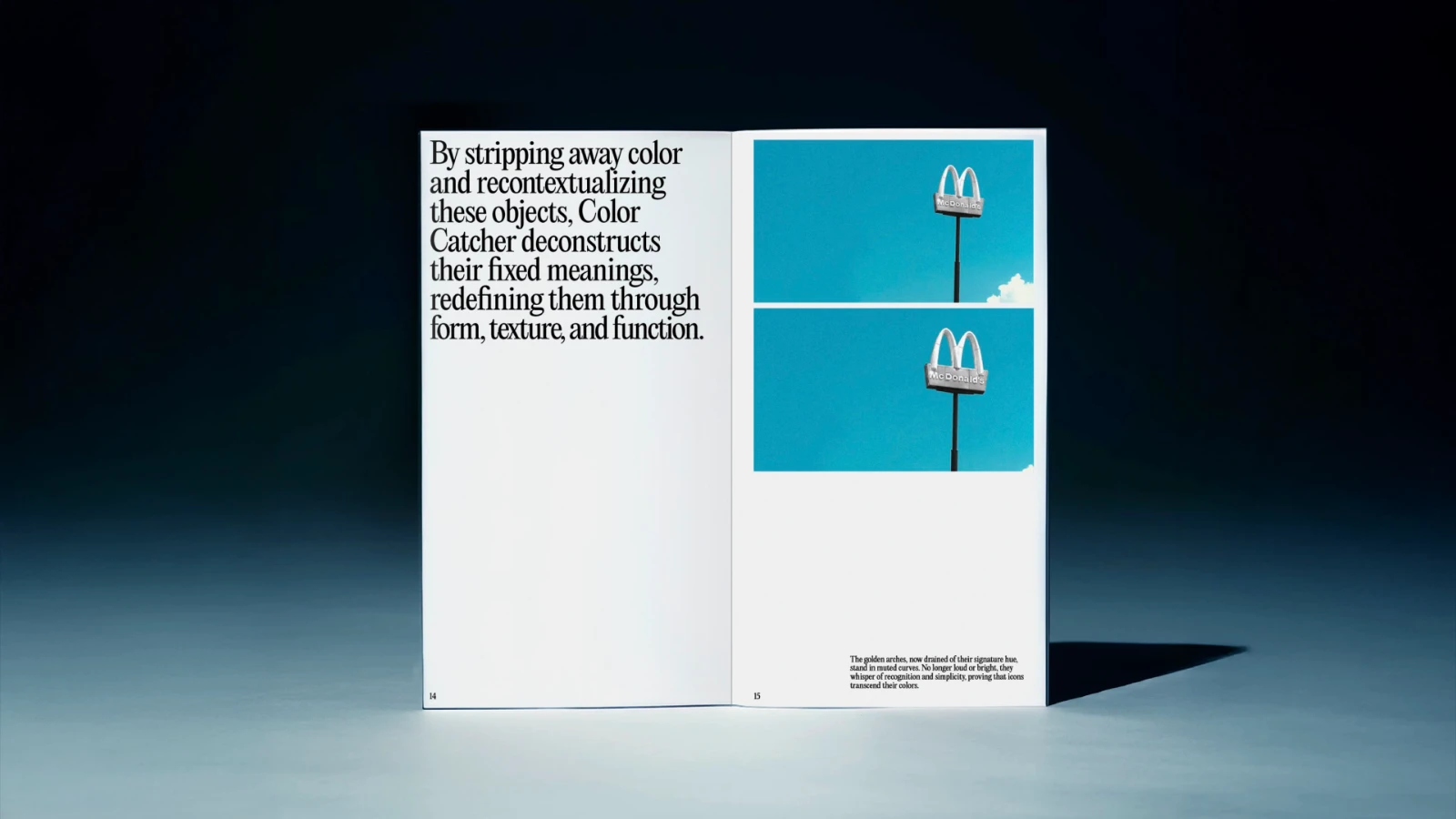
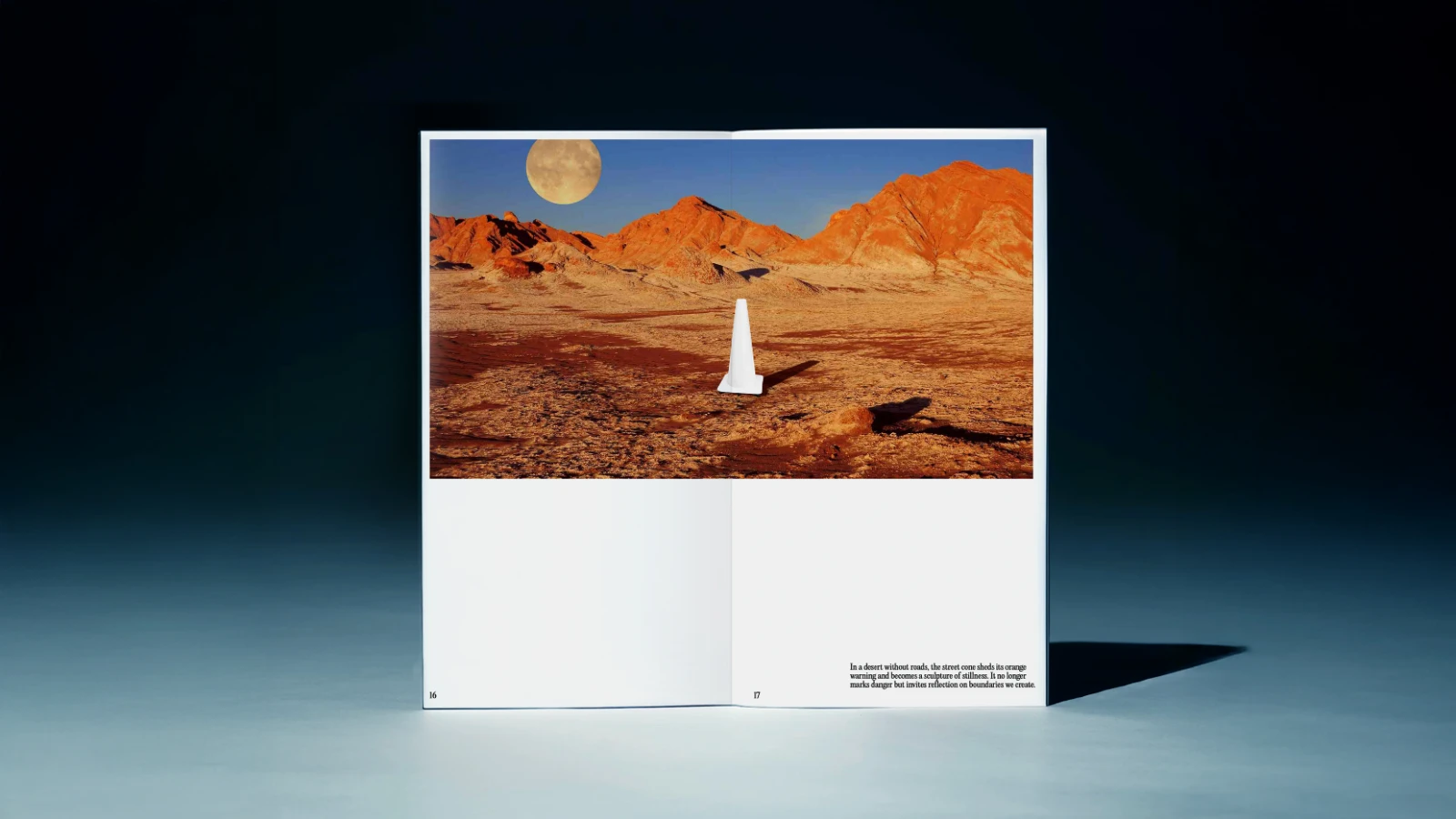
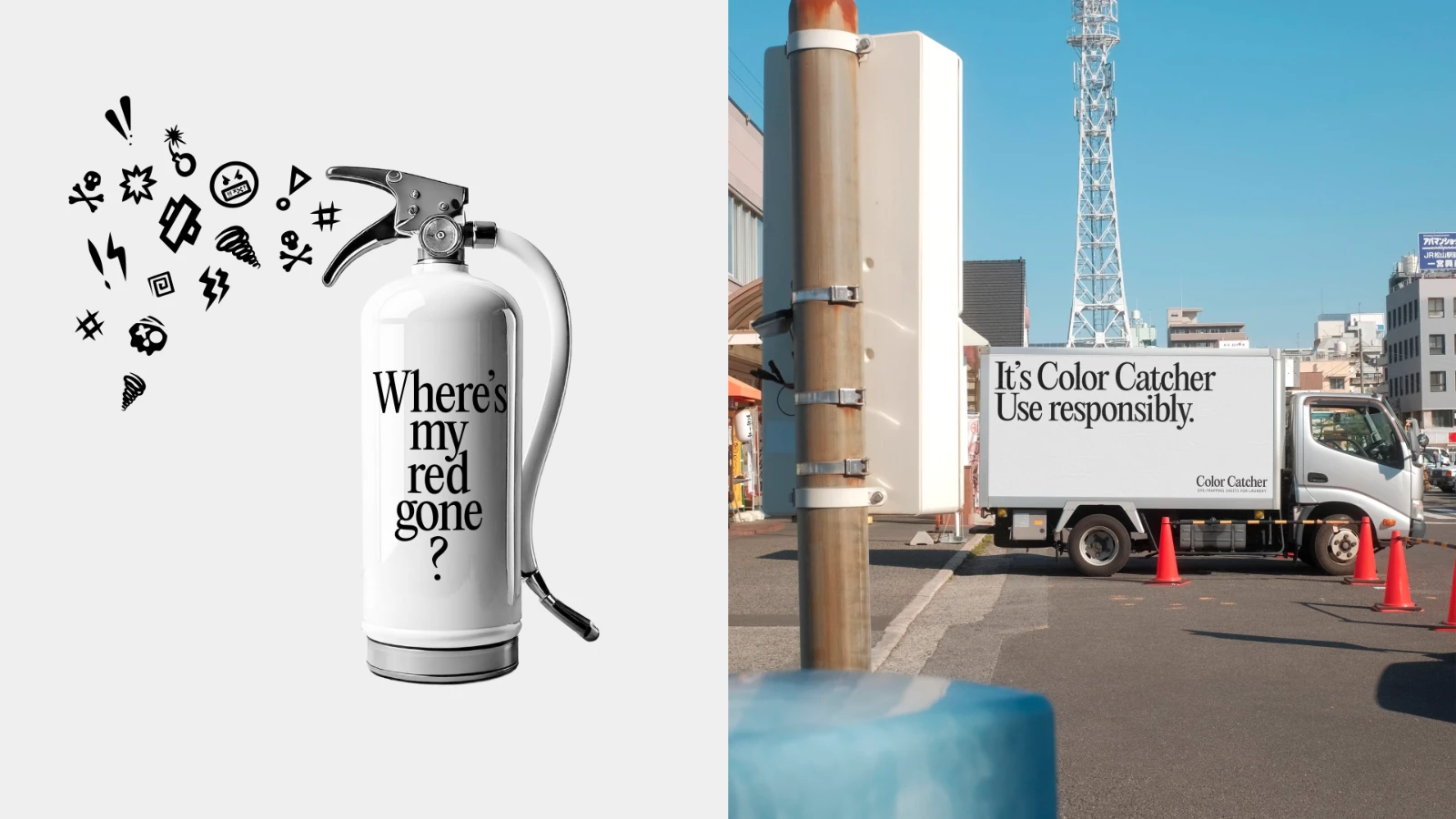
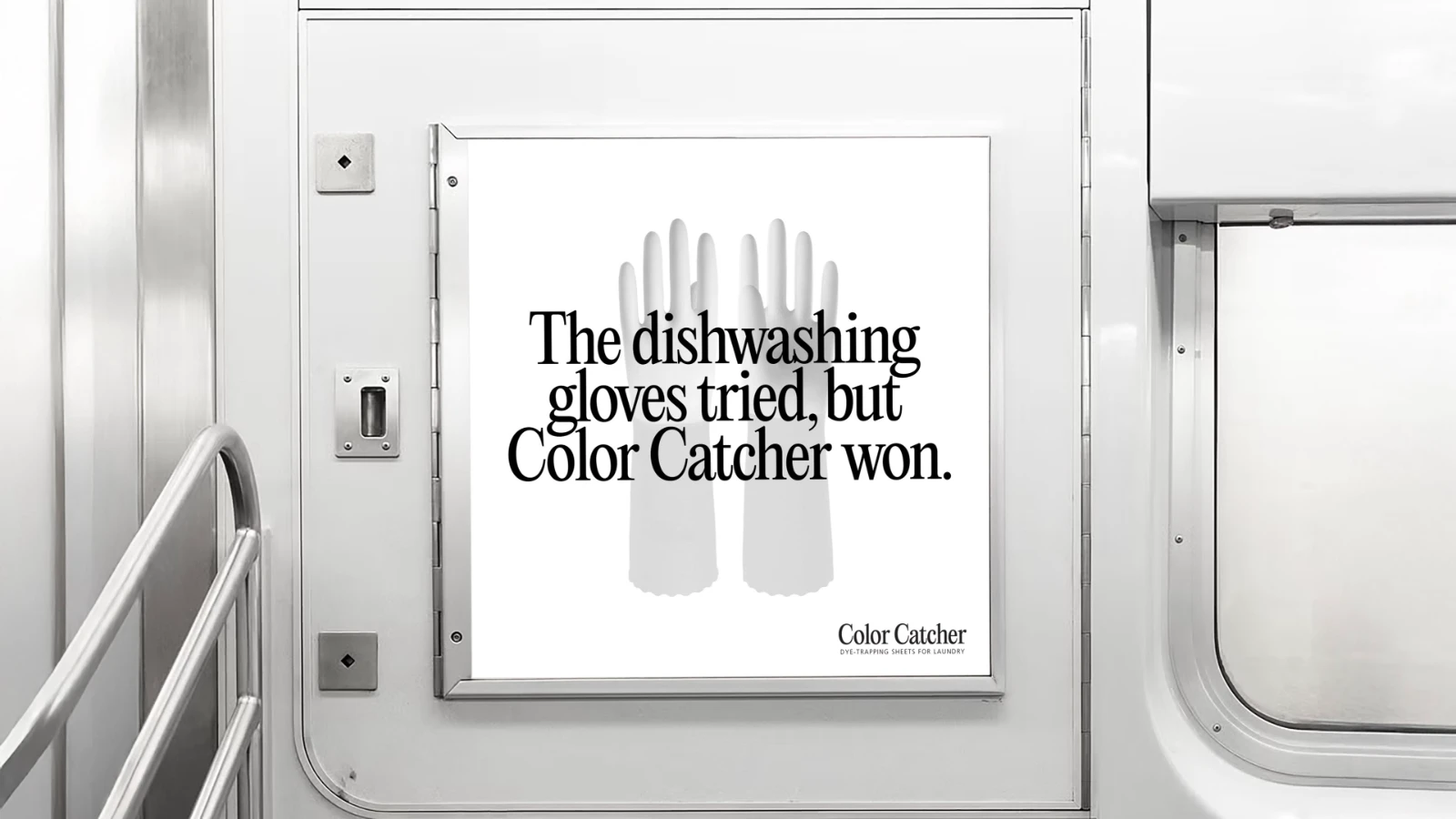
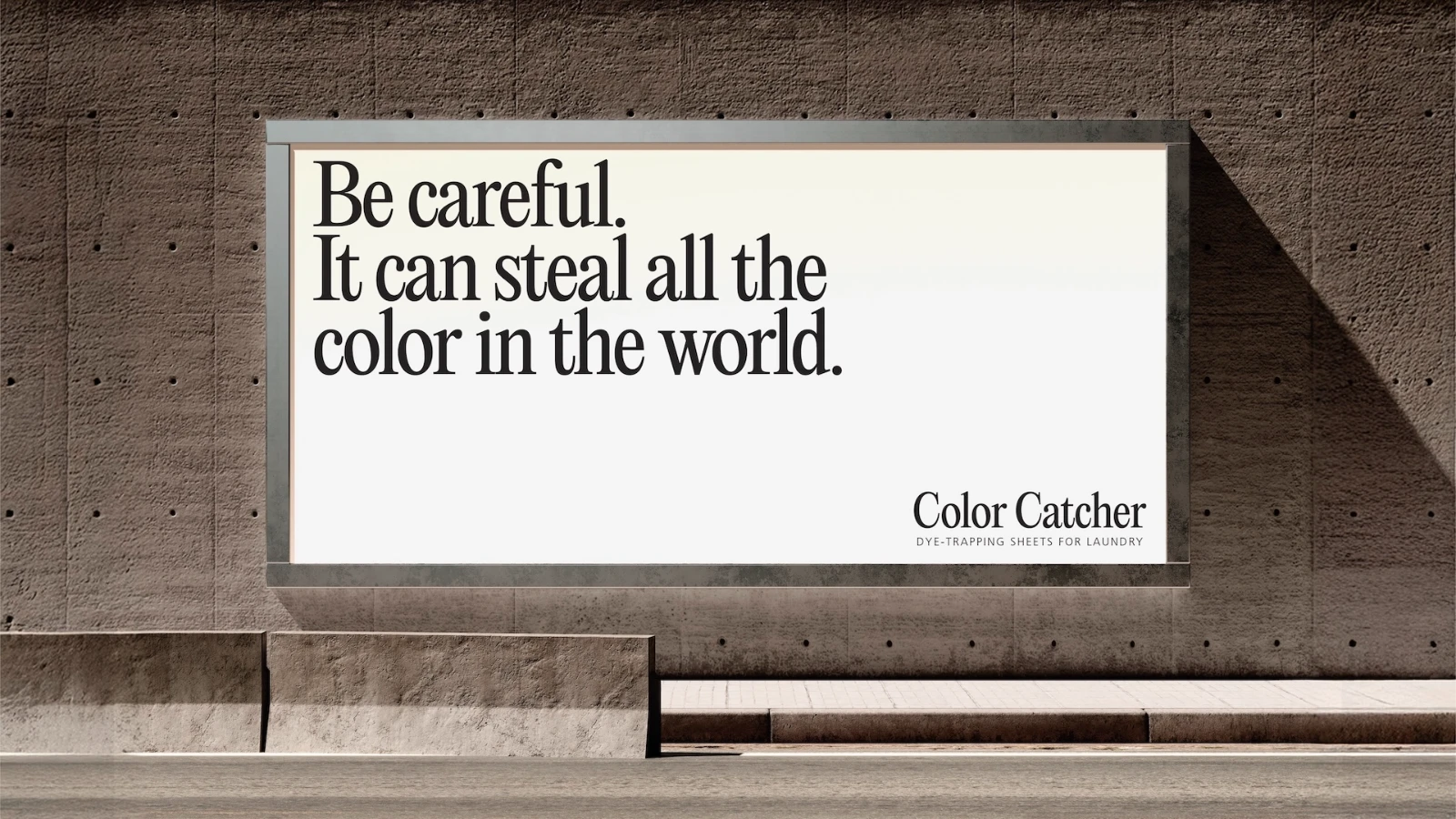
Concept, Art Direction, EditorialThe Color Catcher campaign for Binbata's dye-trapping product reimagines how we perceive and interact with everyday objects by removing their defining element: color.
Focusing on objects with strong color associations—such as traffic lights, fire extinguishers, and apples—the campaign reimagined these items in surreal, mismatched settings. A fire extinguisher appeared on the moon, while a traffic light stood in a barren desert. These striking visuals sparked curiosity and invited viewers to reflect on the essential role of color in shaping their perceptions of the world.
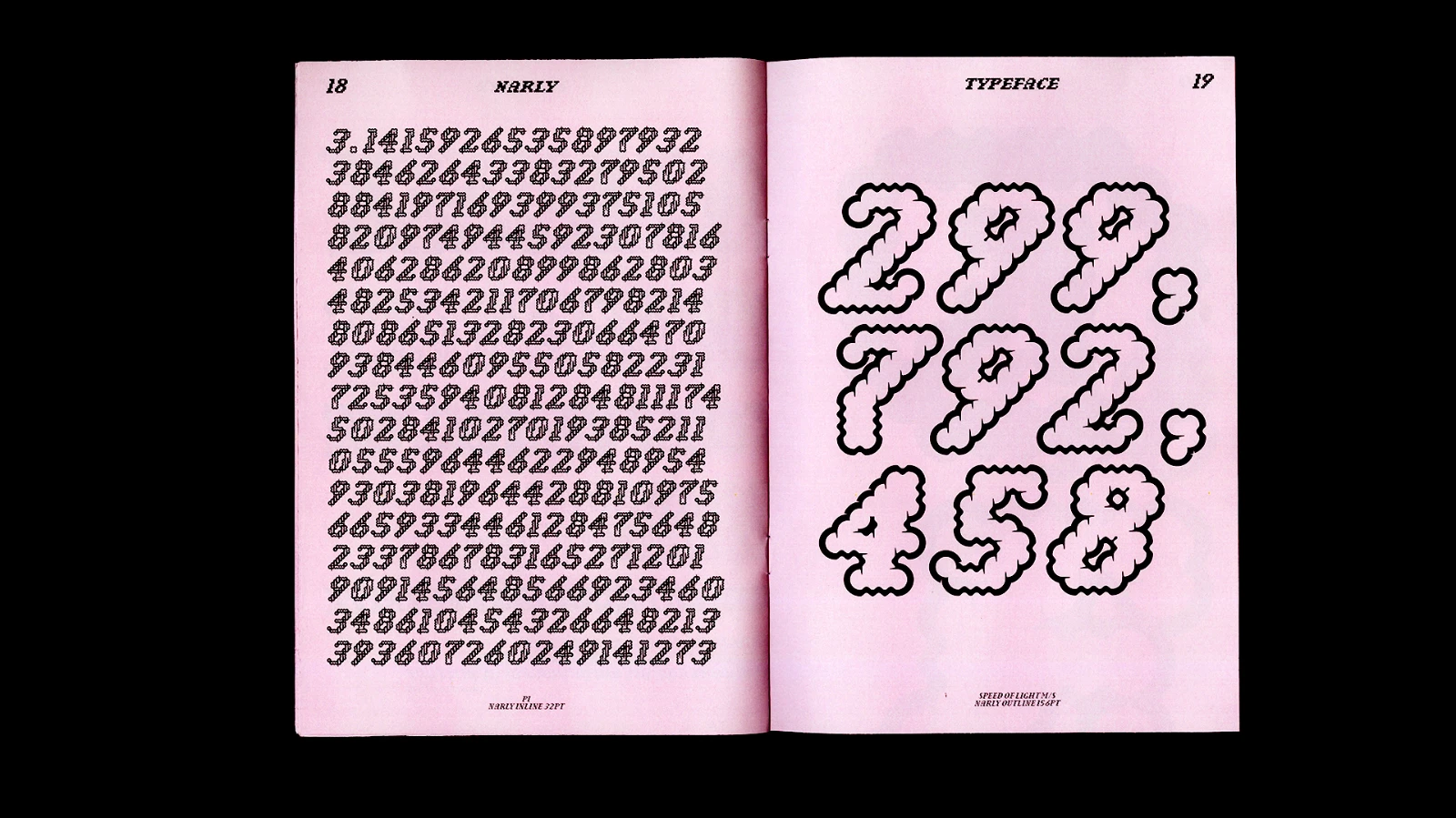
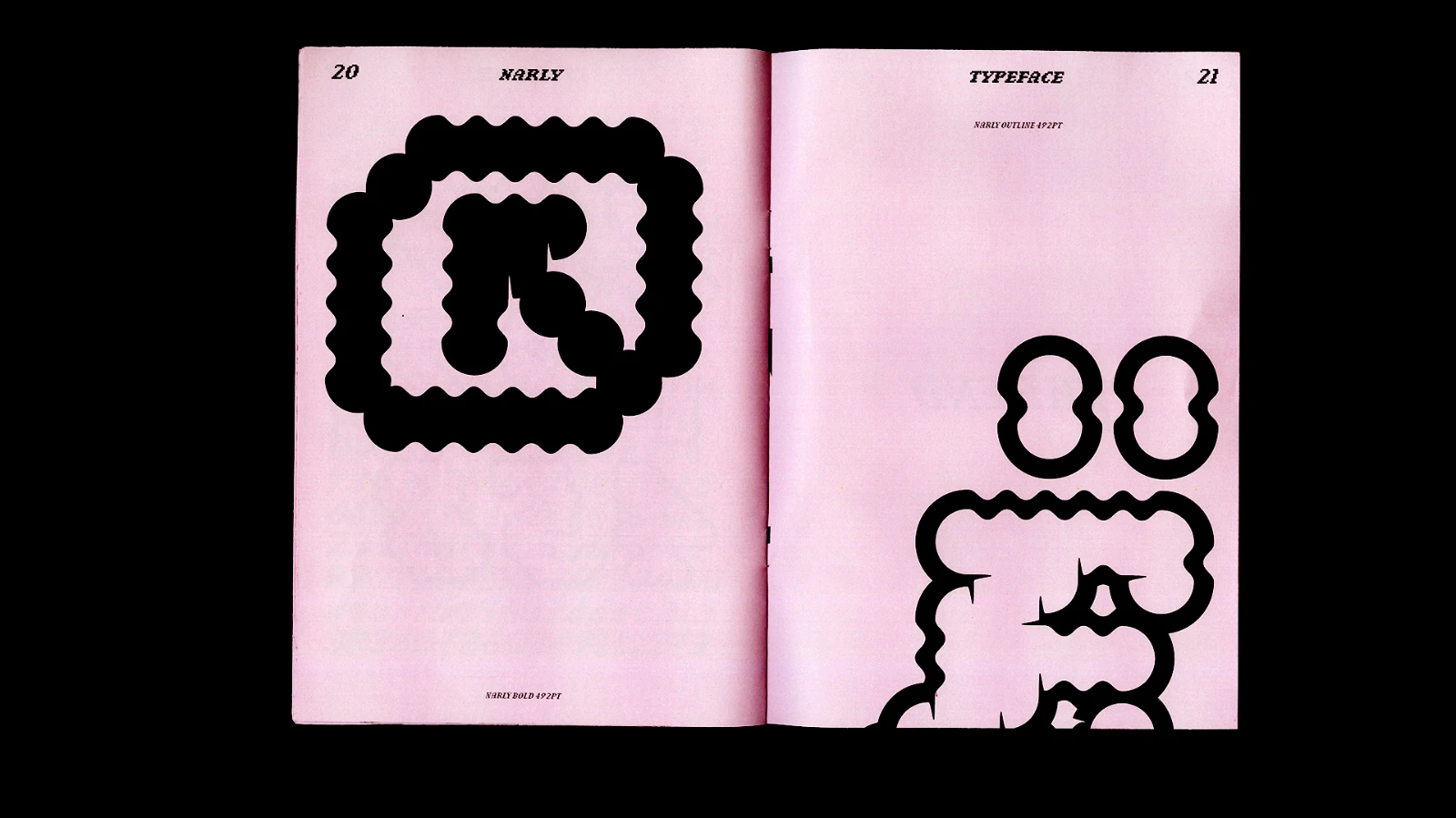
Narly
-
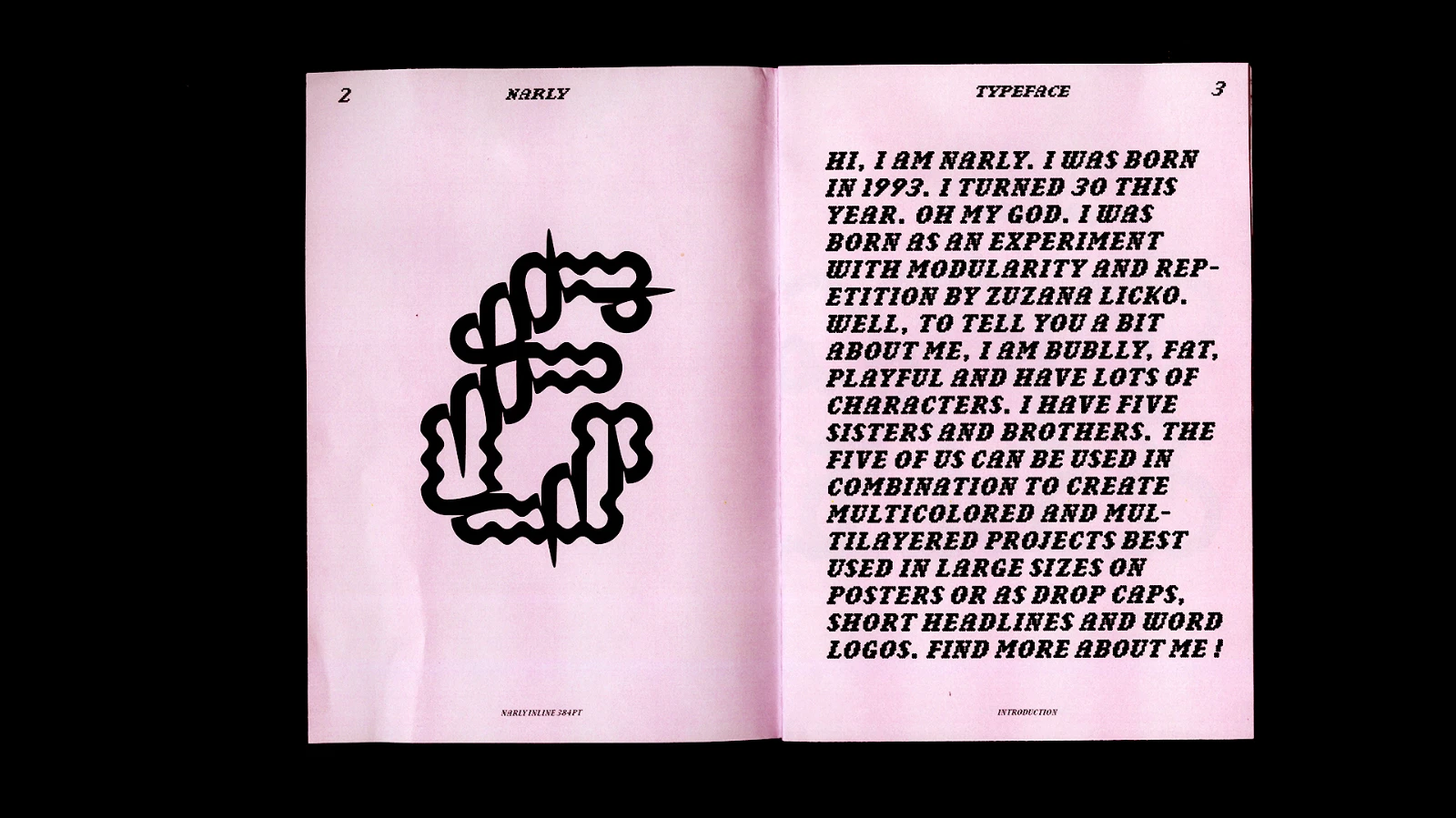
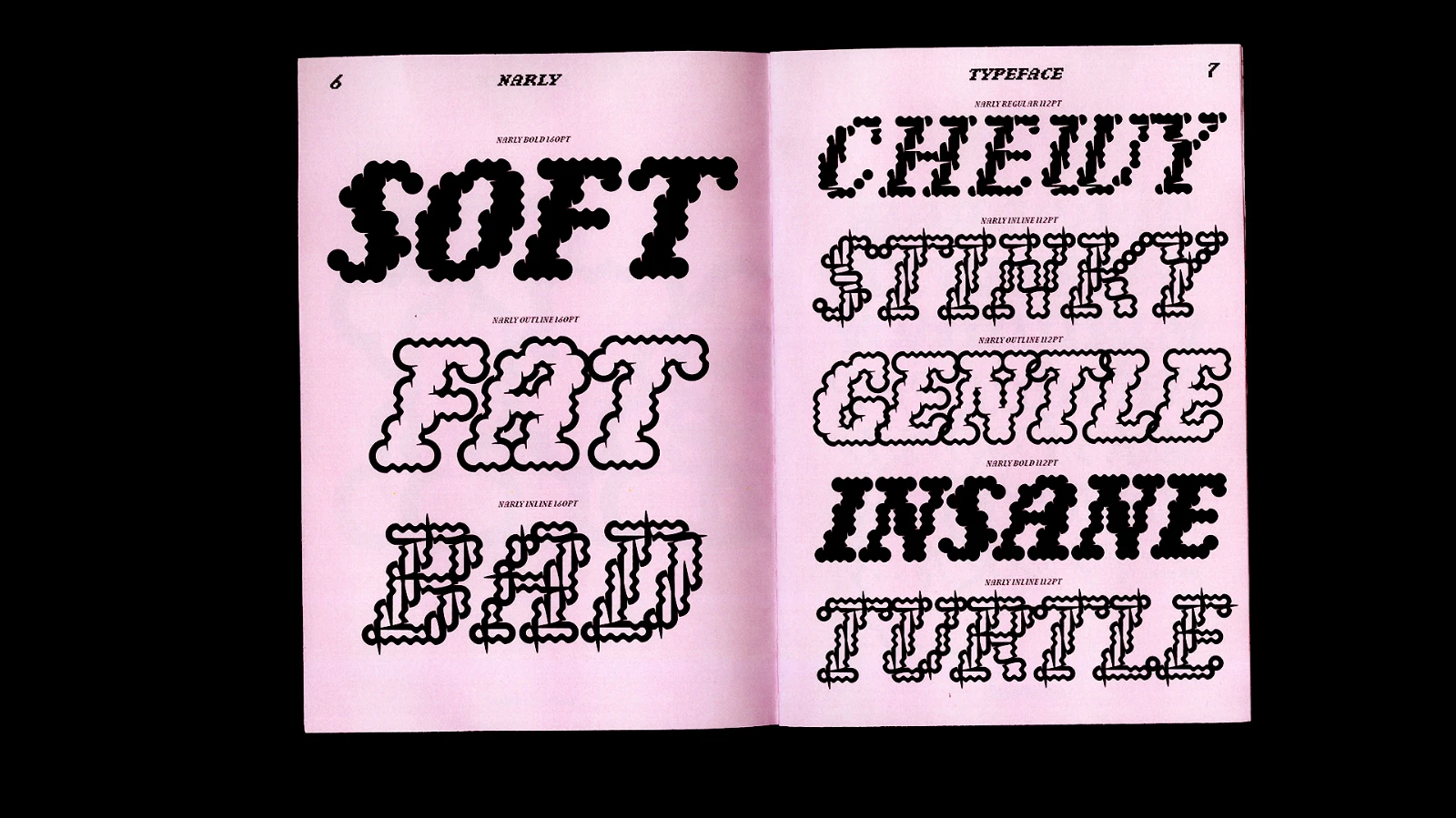
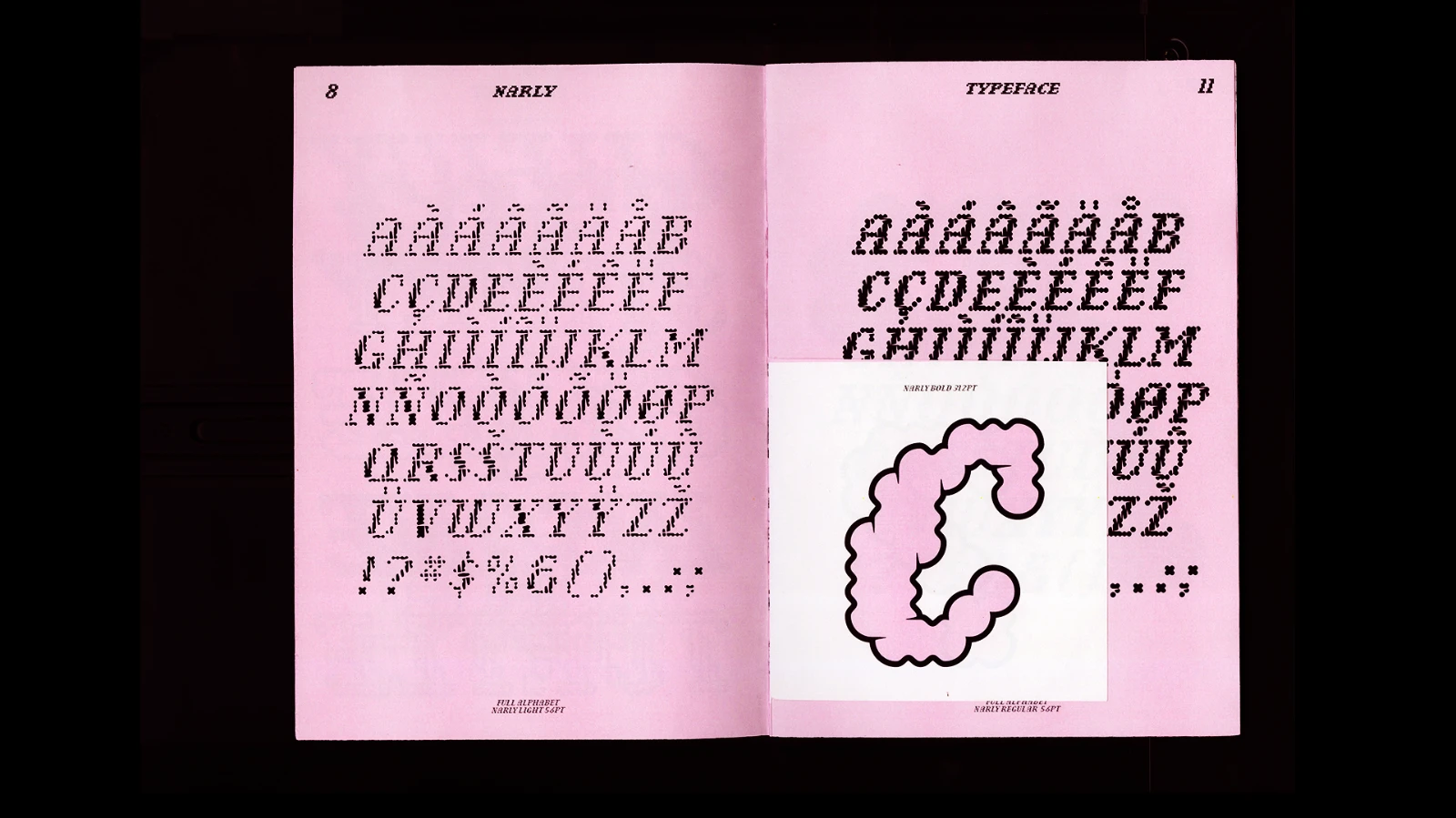
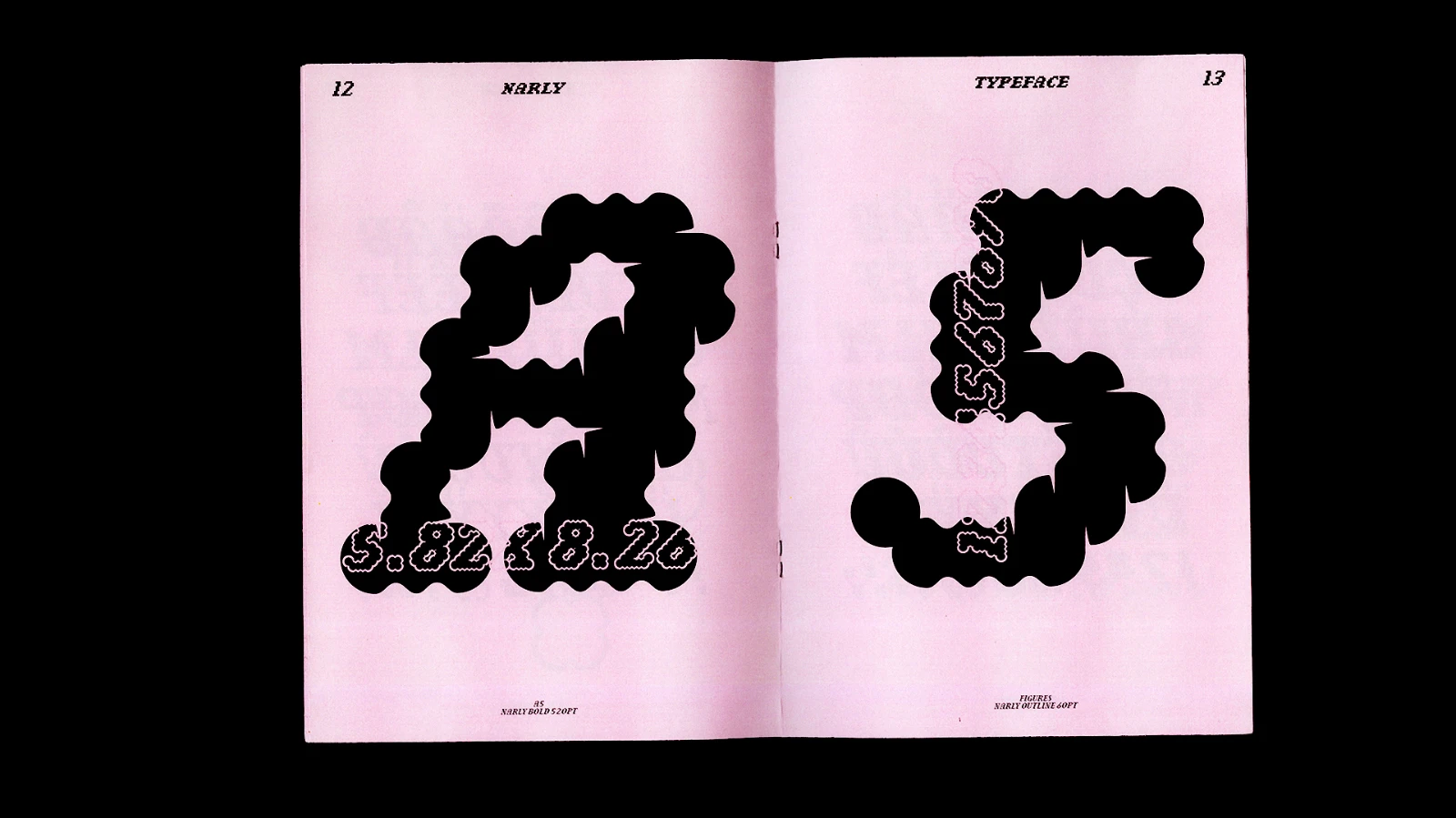
Type SpecimenNarly was designed by Zuzana Licko in 1993.